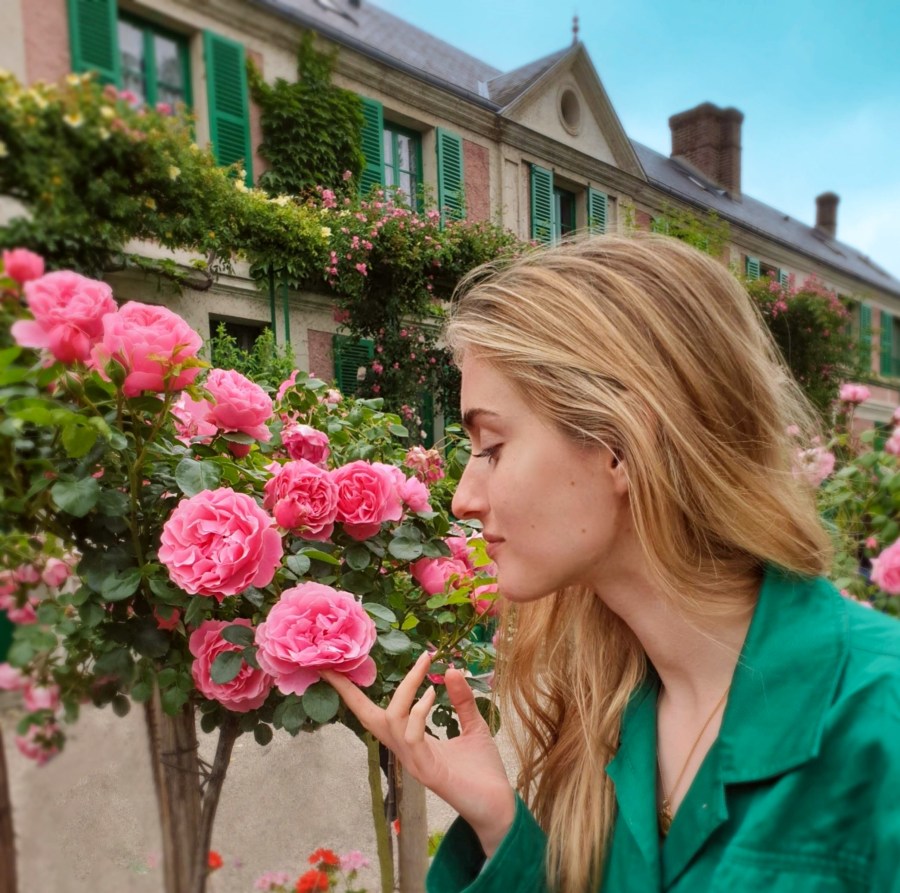
Monet’s house and gardens, and the fascinating life of the artist. La maison et les jardins de Monet, et la vie fascinante de l’artiste.
“The richness I achieve comes from nature, the source of my inspiration.”
Claude Monet
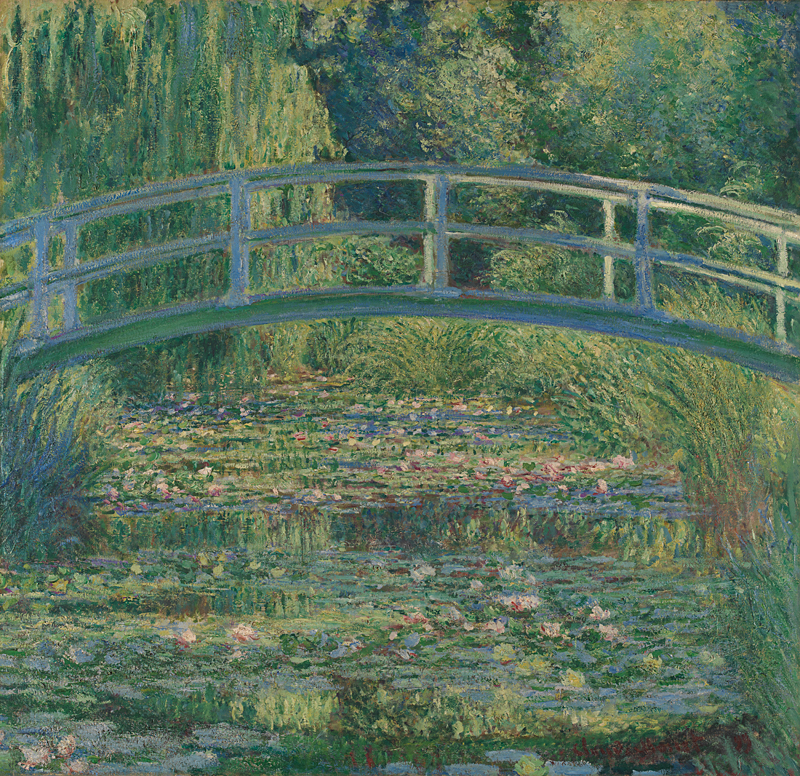
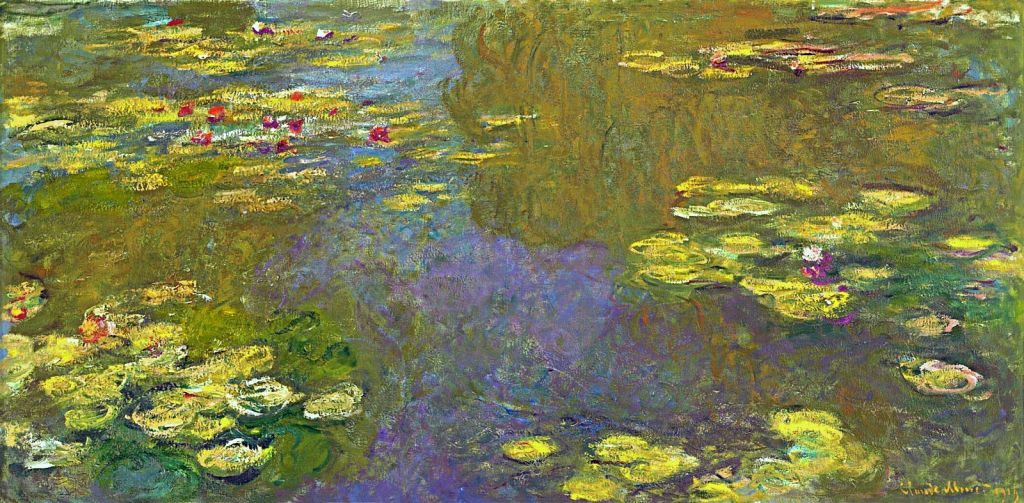
Monet’s ‘The Water-Lily Pond’ is an outstanding example of his impressionistic prowess. Within the brushstrokes, you can feel the weight and movements of Monet’s hand; surrounding the still stability of the Japanese bridge with a vibrant energy.
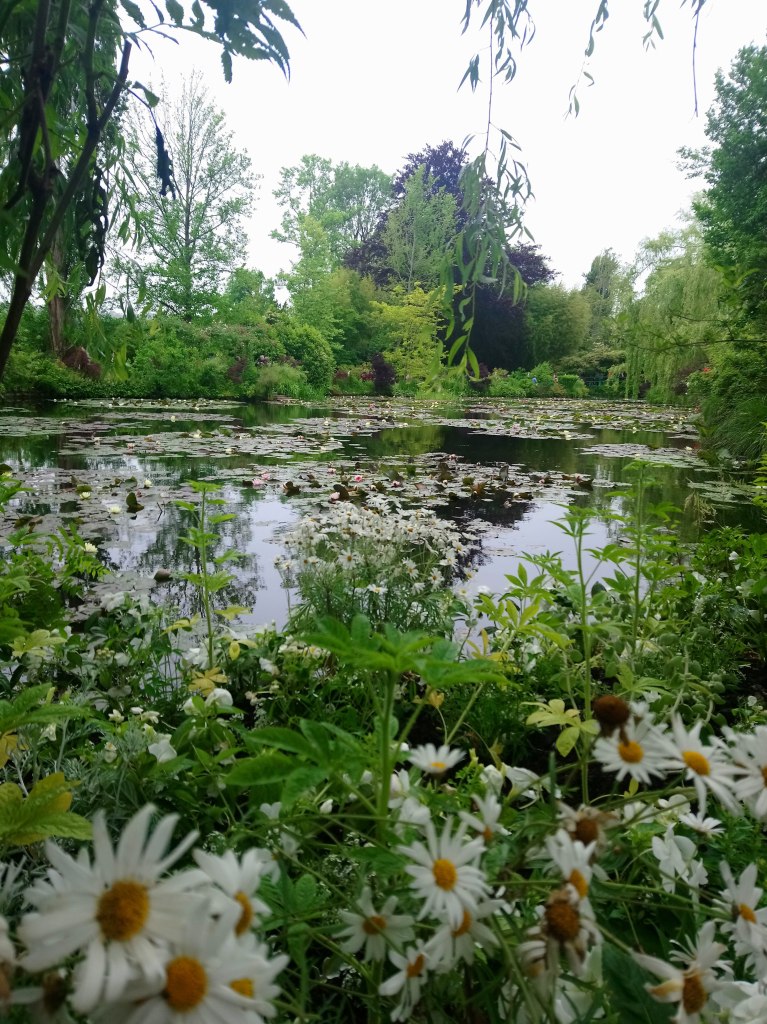
Find yourself standing on the japanese bridge above the rippling water- surrounded by an orchestra of wildflowers and birdsong, as if you’d just stepped into the painting. Monet’s style, some brushstrokes passionately rendered in quick motion, others pressed thoughtfully to the canvas, were borne of the inspiration he sought in these gardens.
Travelling to Giverny
The day began with an early train ride to Vernon-Giverny, from Paris Saint-Lazare. When I first stepped into Saint-Lazare station, I had a feeling I’d been here before. It wasn’t until the Impressionist exhibition (I’ll be writing about on here soon), that I realised why I recognised it:
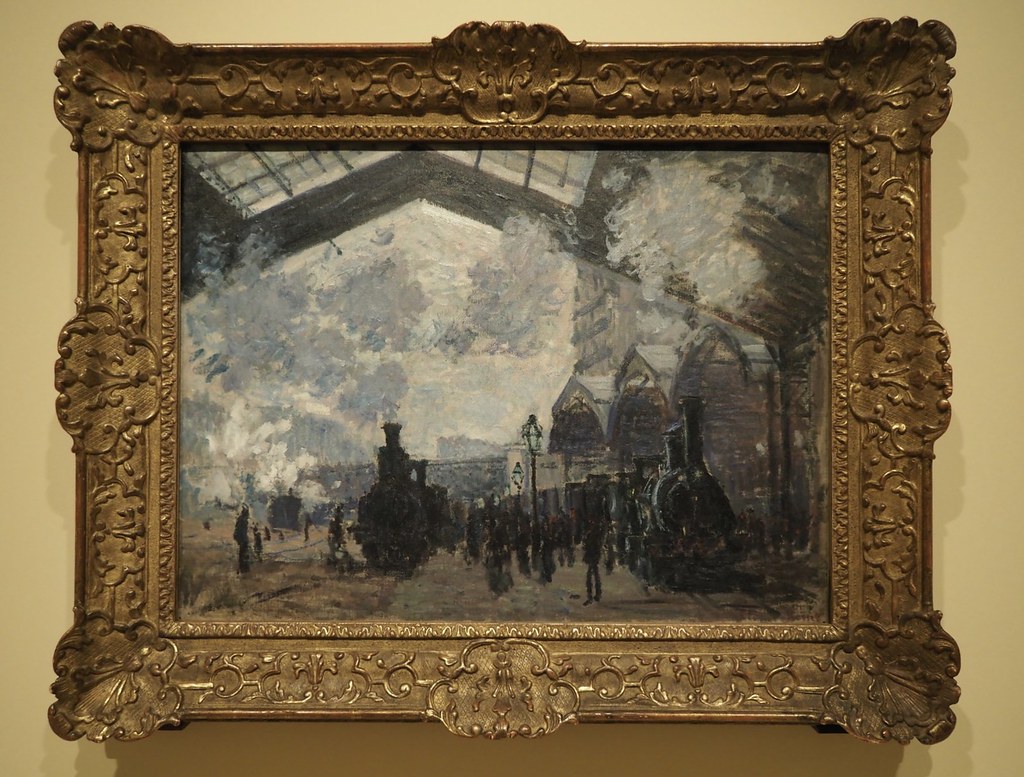
The National Gallery, London
I’d visited the station many times, in the form of Monet’s paintings. Those impressionist brushstrokes somehow manage to catch a cloud, to capture the intangible; the steam rising from the powerful engines below. Of course, the train you’ll take from Paris to Vernon-Giverny is less steam-dream, but still exciting. (And more environmentally friendly).
On arrival, you can rent bikes from just outside the station ‘Gare de Vernon’ in Giverny like we did. I rode on, picking up speed on some roads and gliding slowly along others.
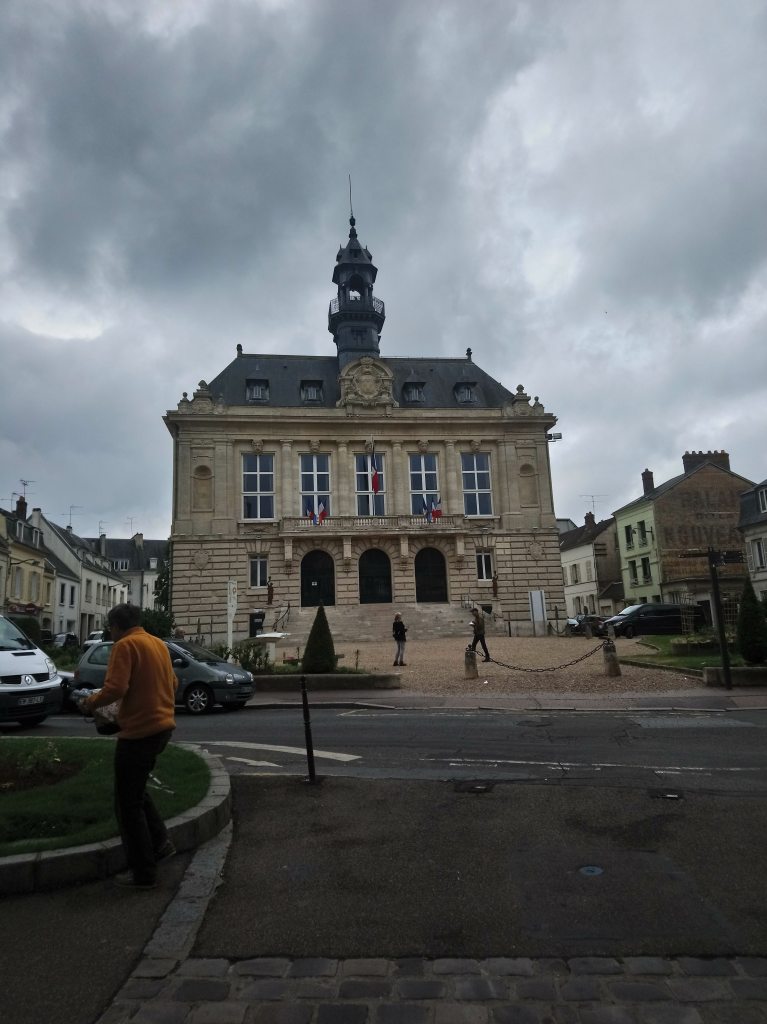
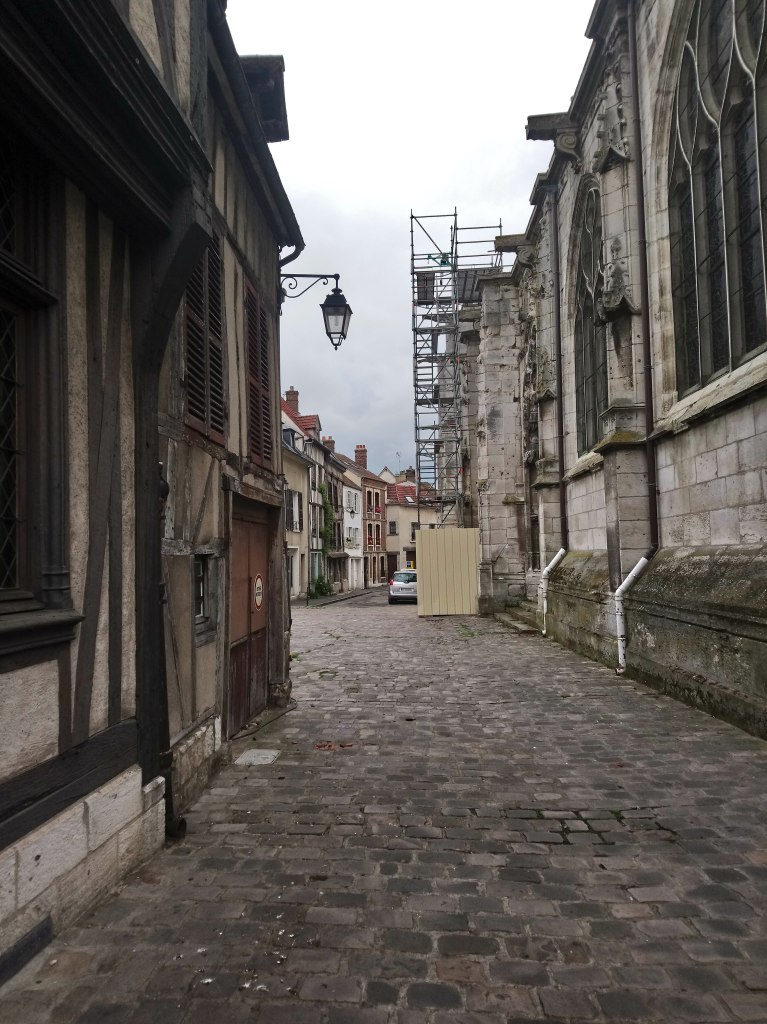
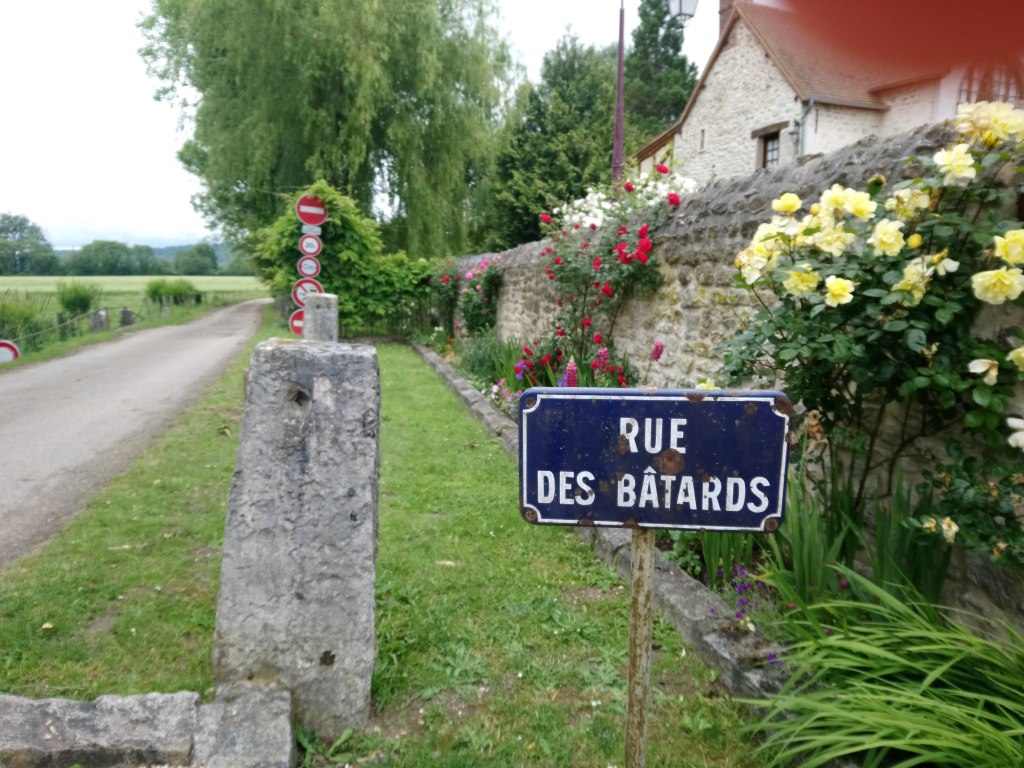
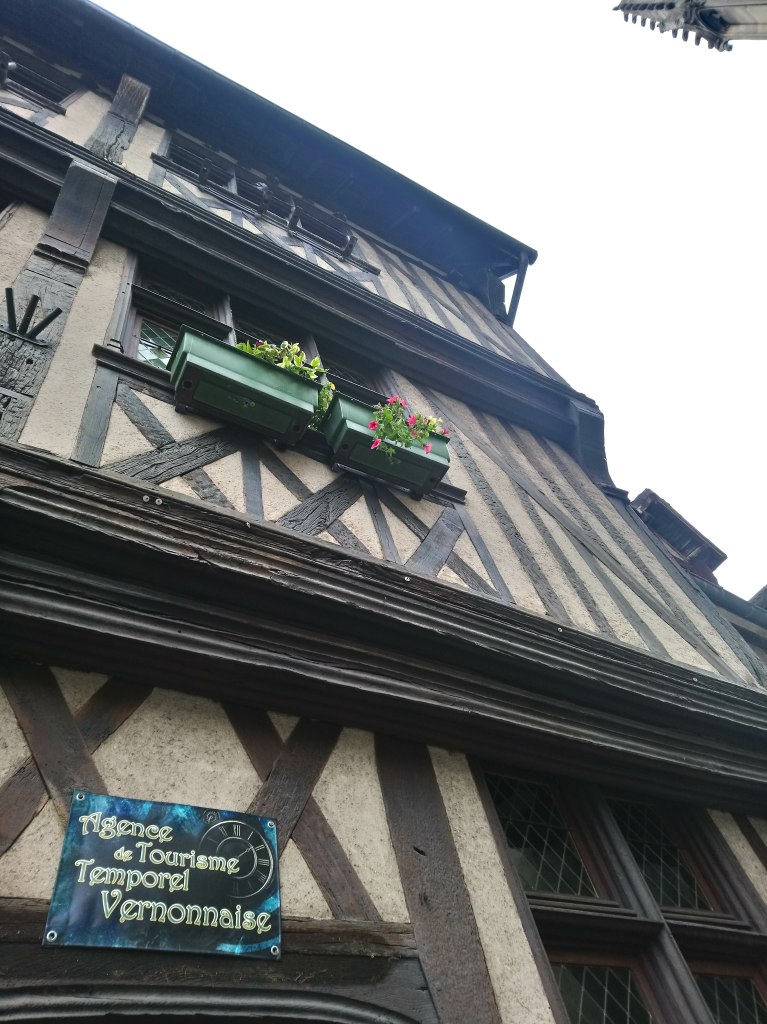
I stopped to admire curious street names, the exposed wooden beams on houses, the elegant town hall, and we sang “L.O.V.E.” as we cycled along a bike path through meadows. Writing that last part does instil a little cringe, but the fellow cyclists seemed to enjoy our little rendition! 😉
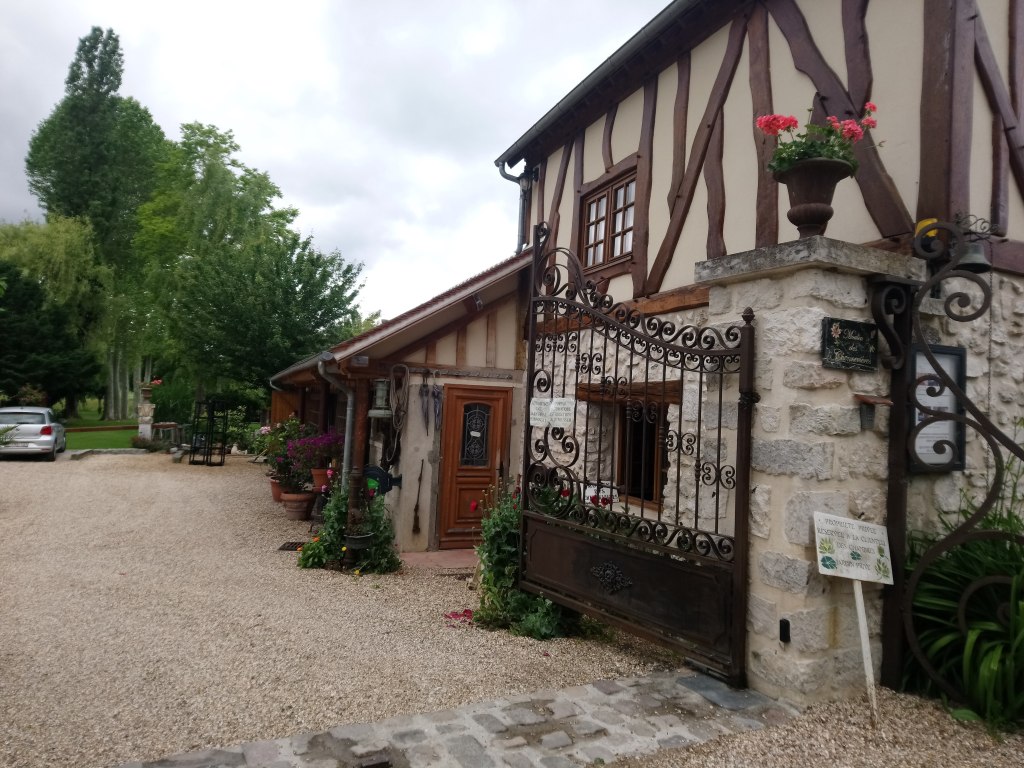
At the Foundation of Claude Monet
Opened to the public as a foundation, Claude Monet’s house and gardens are maintained and exhibited in all their glory.
The house and gardens are open from the 1st of April to the 1st of November, 2023, but always check availability on the website. Here is a link to purchase tickets:
https://claude-monet-giverny.tickeasy.com/fr-FR/accueil
Monet was born on 14 November 1840 in Paris, and baptised as Oscar-Claude Monet, but his parents simply called him Oscar. He showed artistic promise from an early age. Monet’s mother encouraged his artistic pursuits, though his father would rather have seen Monet pursue a career in business. His mother, Louise, was a singer and shared a close bond with her son. Following her death in January 1857, when Monet was only sixteen, Monet was sent to live with his wealthy aunt Marie-Jeanne Lecadre, who became his most significant financial support during his early art career.
During the next few years, from 1858 to 1860, Monet stayed in Paris to continue his studies, and enrolled in Académie Suisse. There he met Camille Pissarro, who would become a great friend and fellow pioneer of the Impressionist movement. Monet was soon after called for military service, and served with the Chasseurs d’Afrique (African Hunters), in Algeria, from 1861 to 1862. I included this significant moment in his life as Monet later says the vivid colour and light of North Africa “contained the germ of my future researches”, proving the powerful effect this experience had on Monet.
Exploring the gardens
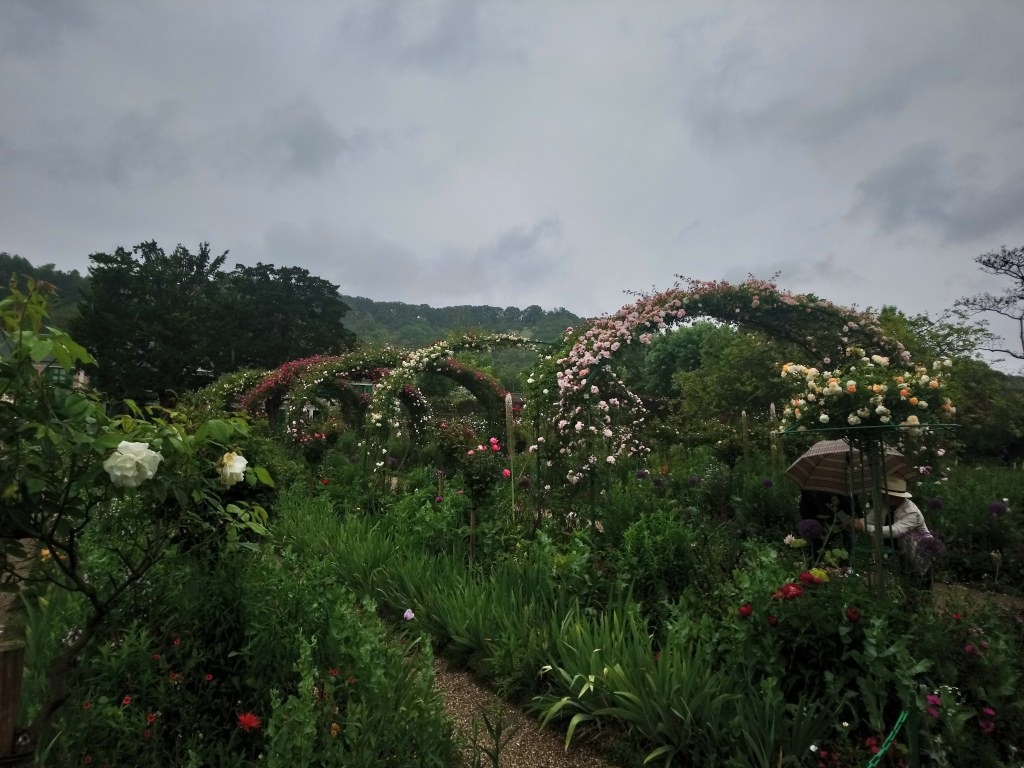
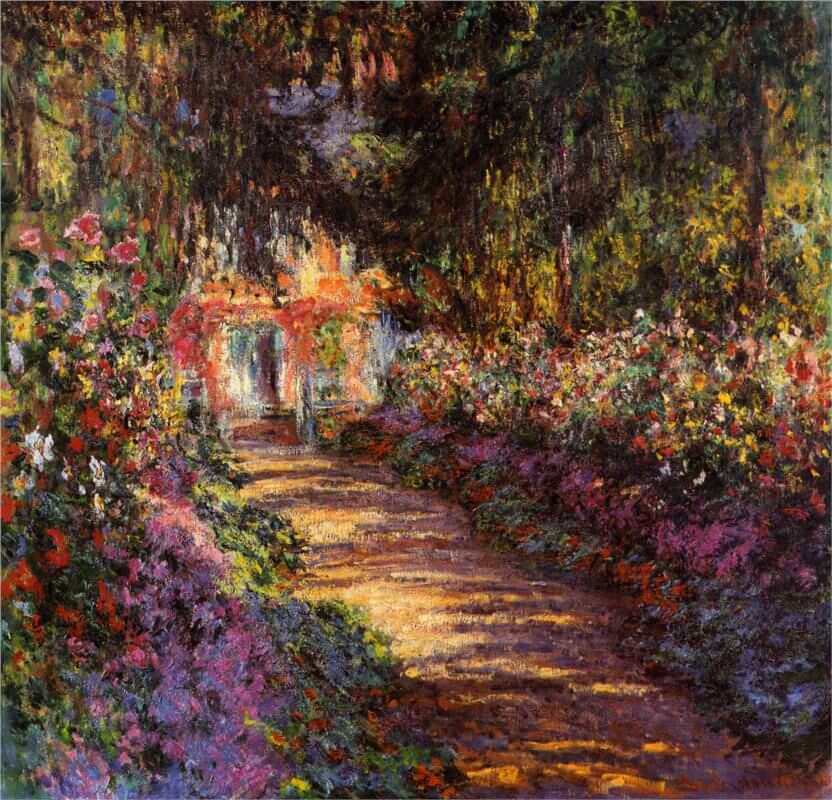
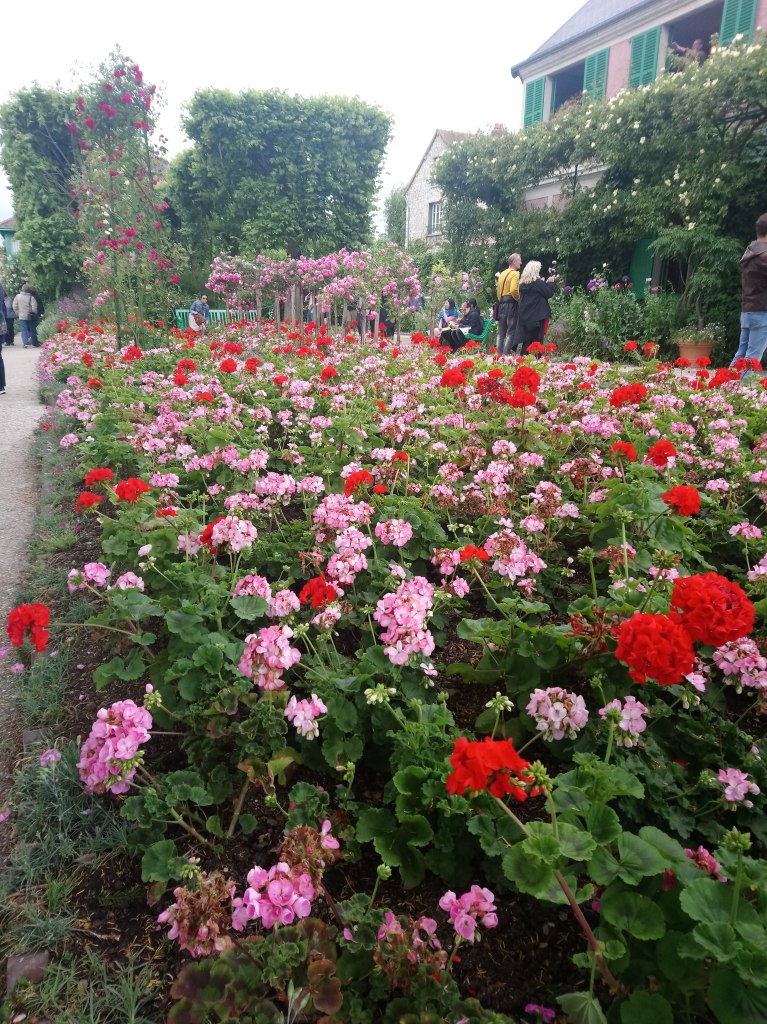
The garden paths
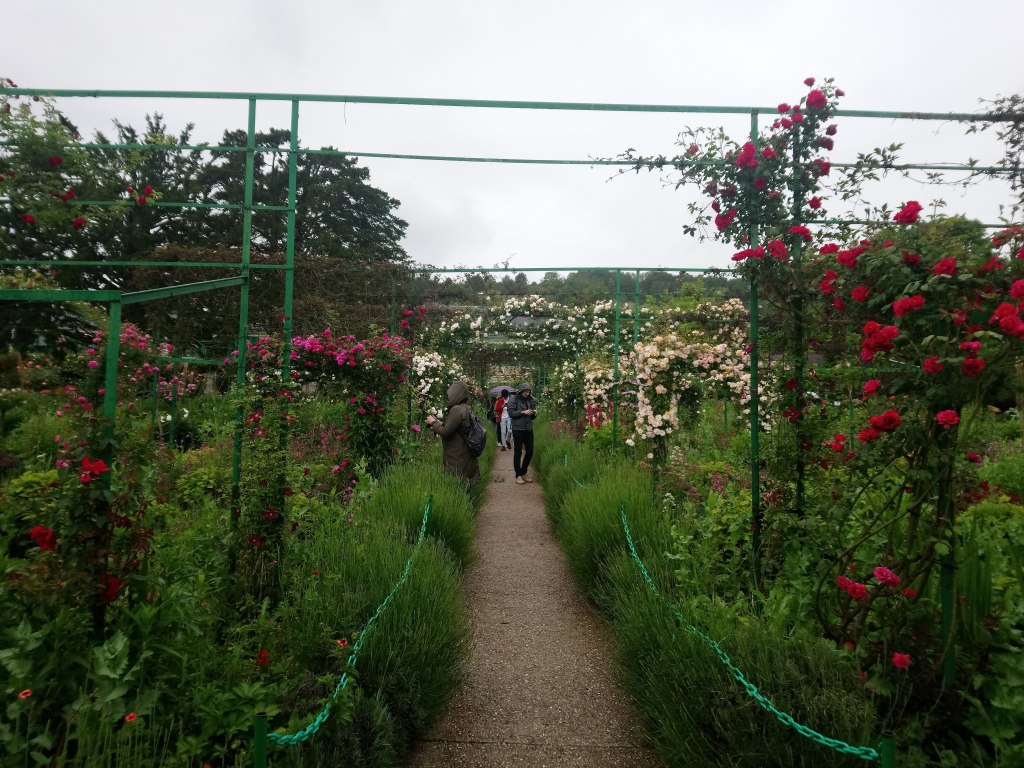
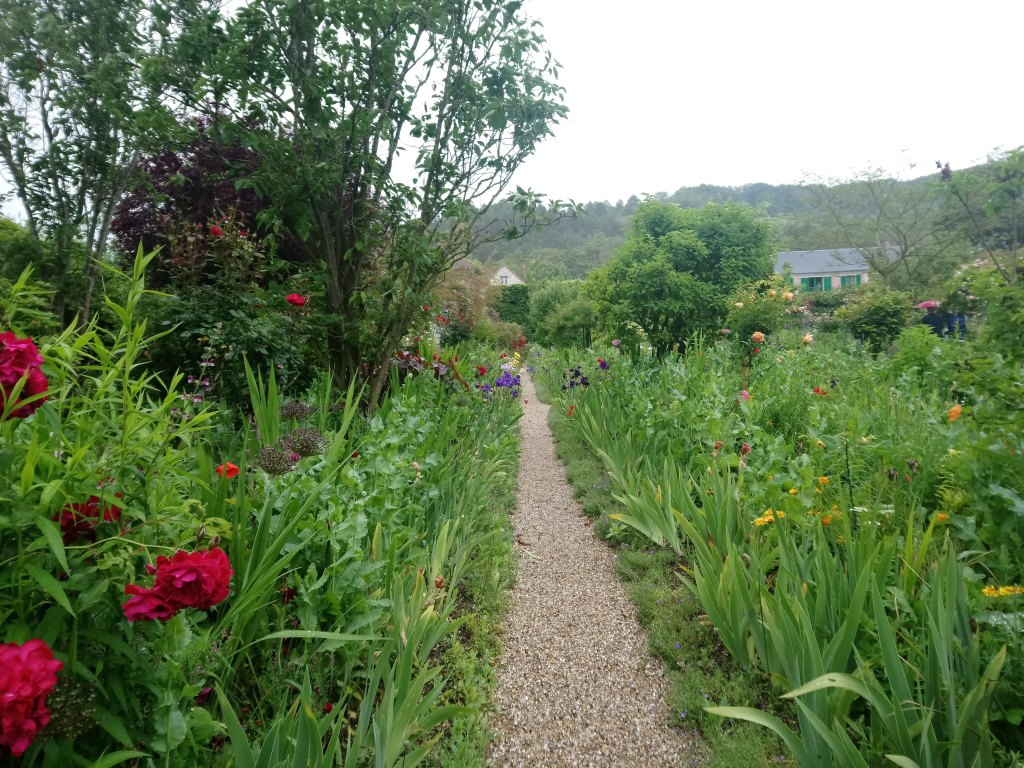
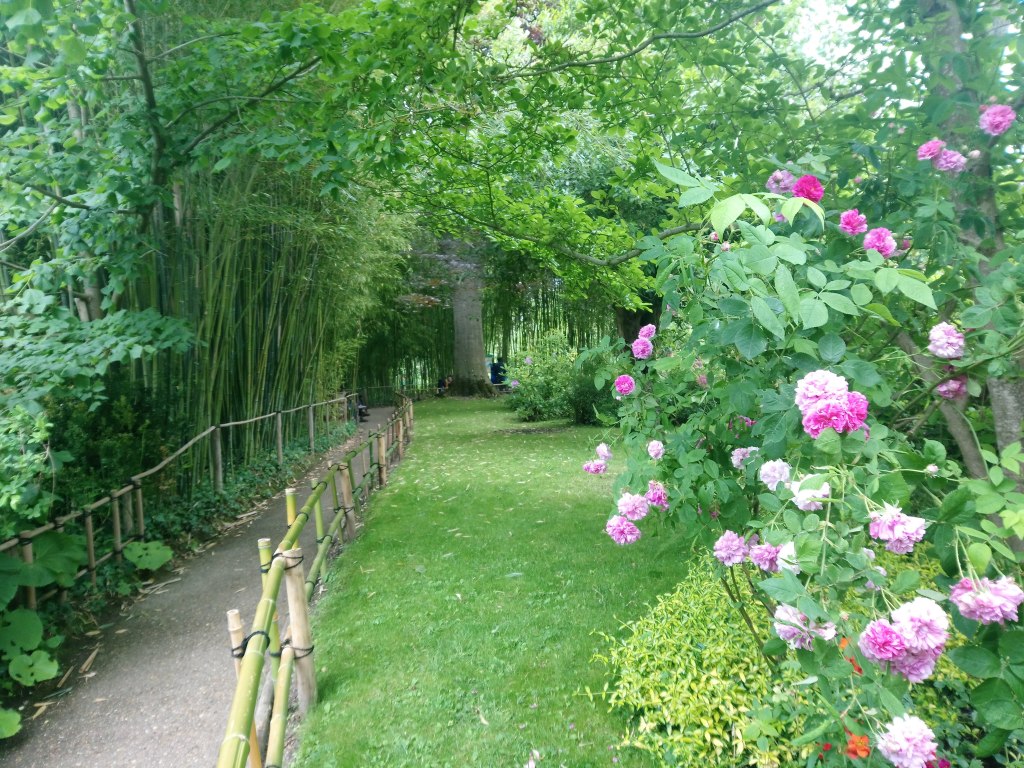
The Japanese bridges
Above the rippling water- surrounded by an orchestra of wildflowers and birdsong
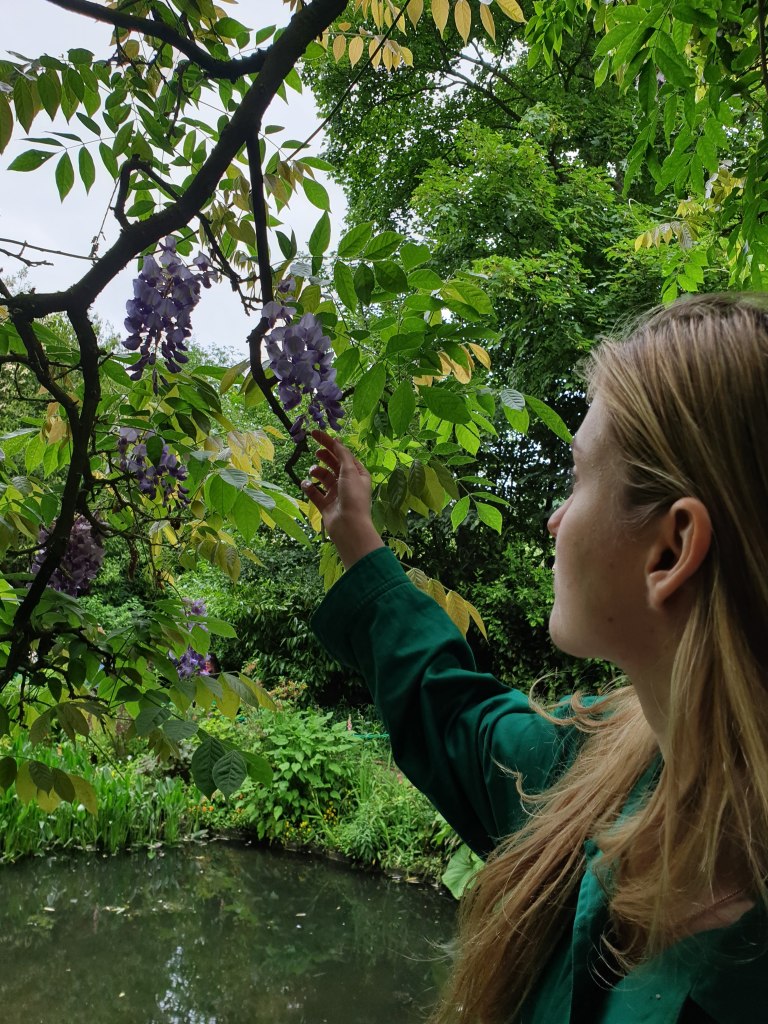
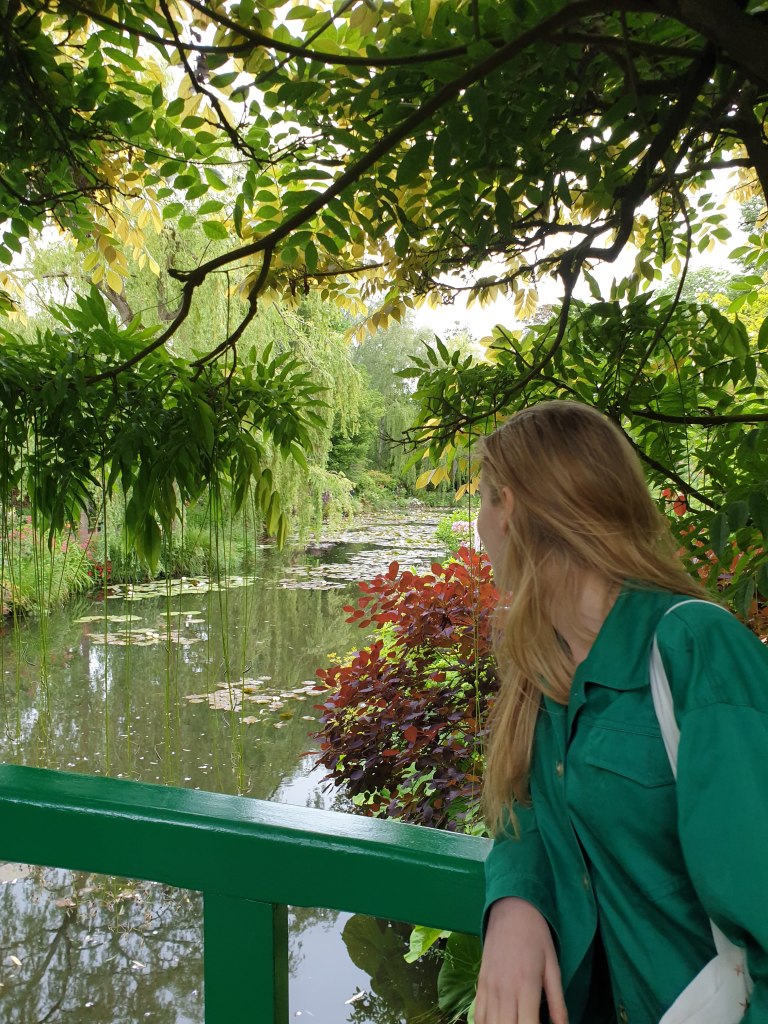
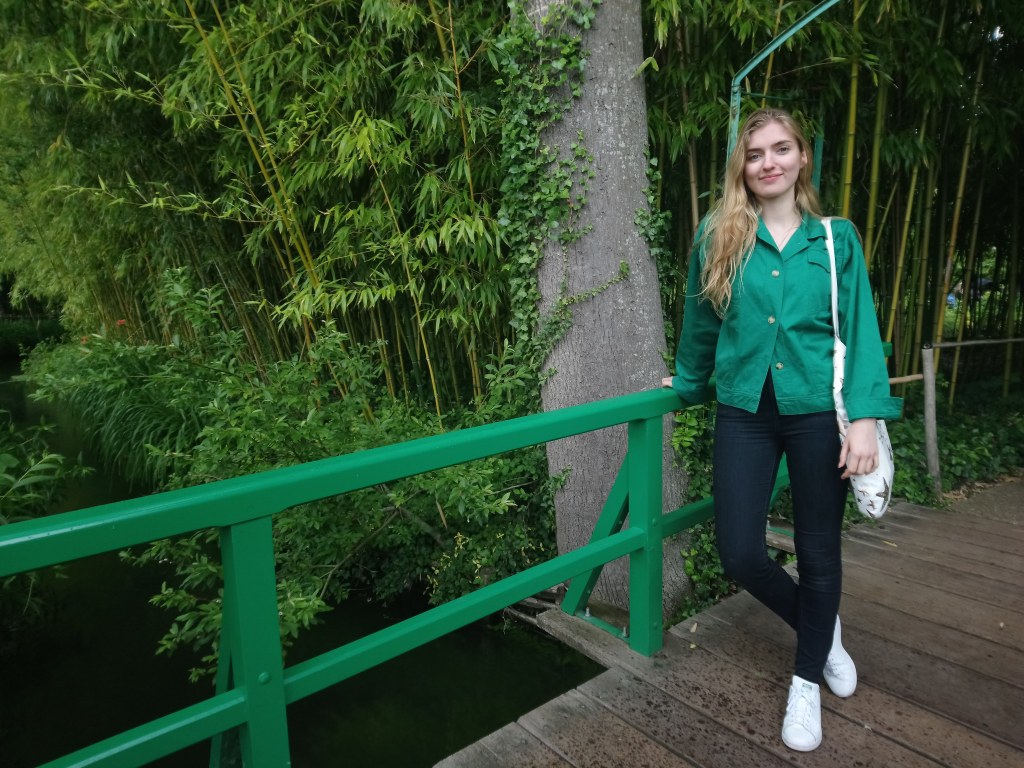
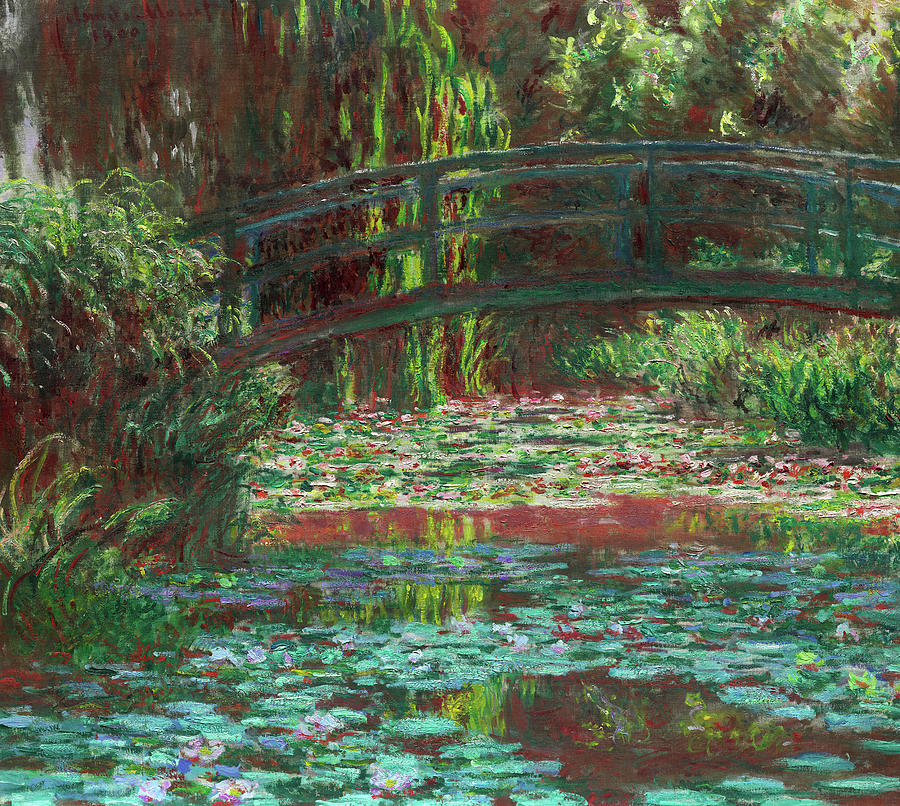
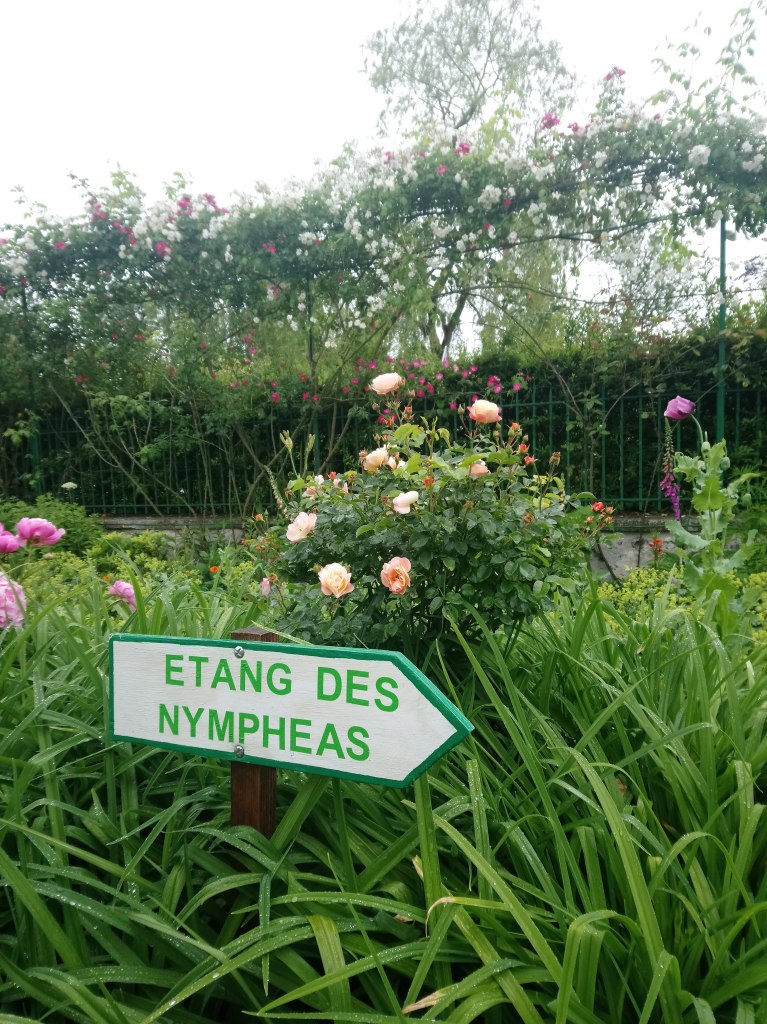
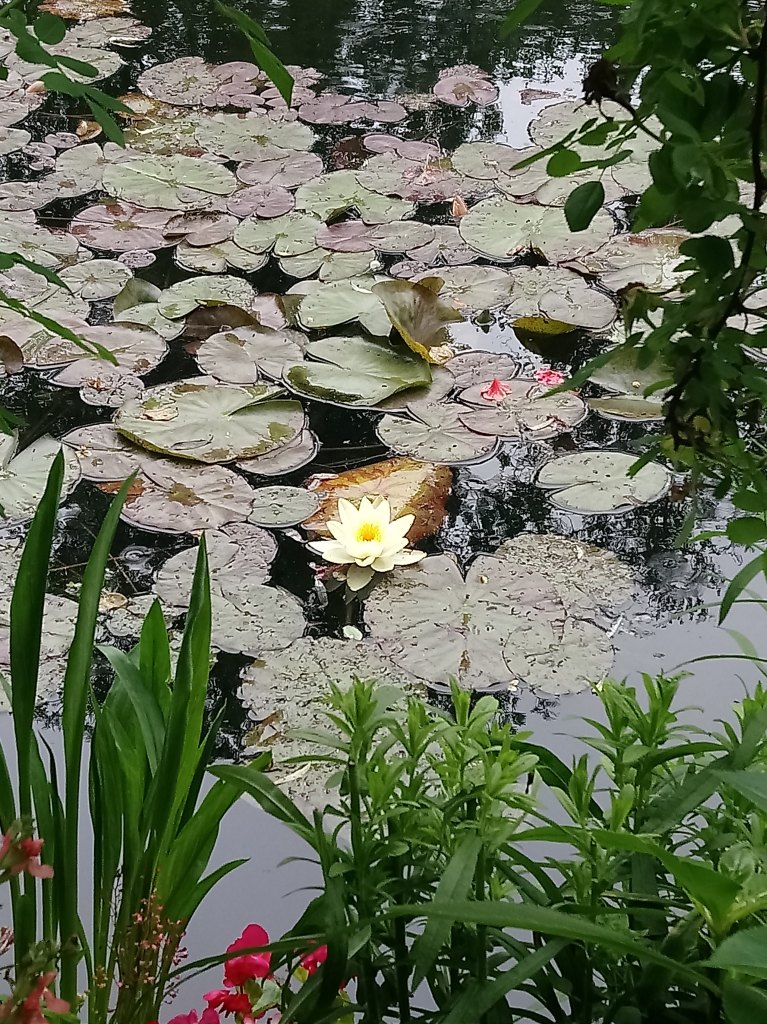
Les Nymphéas or ‘The Waterlilies’
Soft brushstrokes; some passionately rendered in quick motion, others pressed thoughtfully to the canvas, were often borne of the inspiration he sought in these gardens.
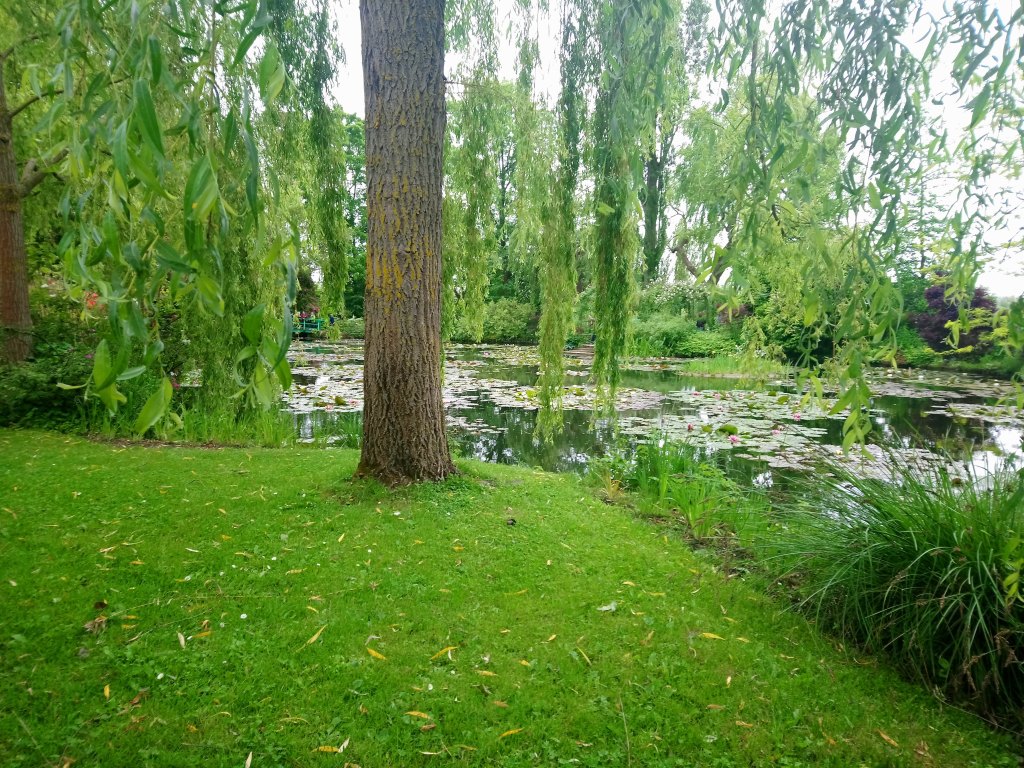
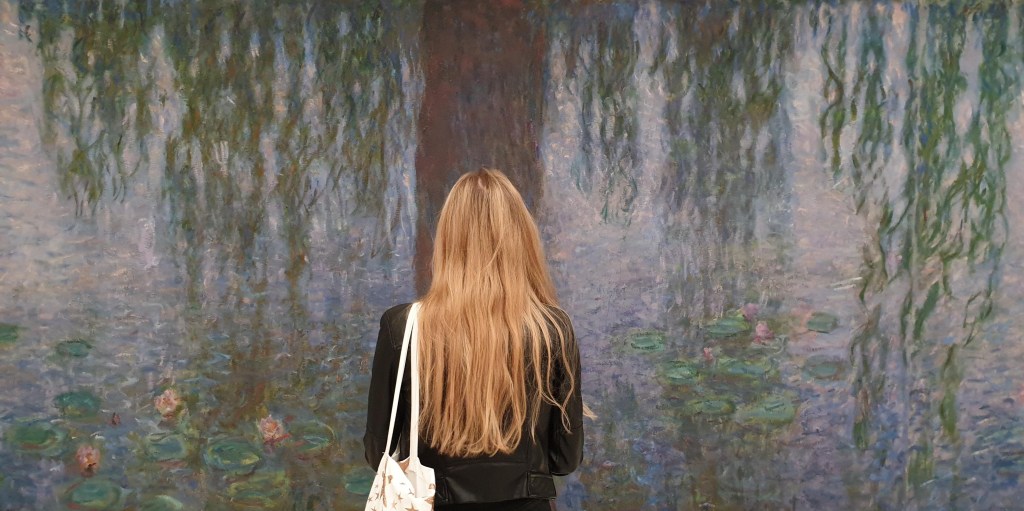
Monet’s largest waterlily paintings are at Musée de l’Orangerie, designed specifically for those giant canvases
Exploring inside
In 1883, Monet rented the house and gardens we know and love today, which provided a domestic stability for him and his family. There were local schools close enough for the children to attend, the country landscape inspired Monet’s depictions of natural scenery, and he used the barn as a painting studio.
The dining room
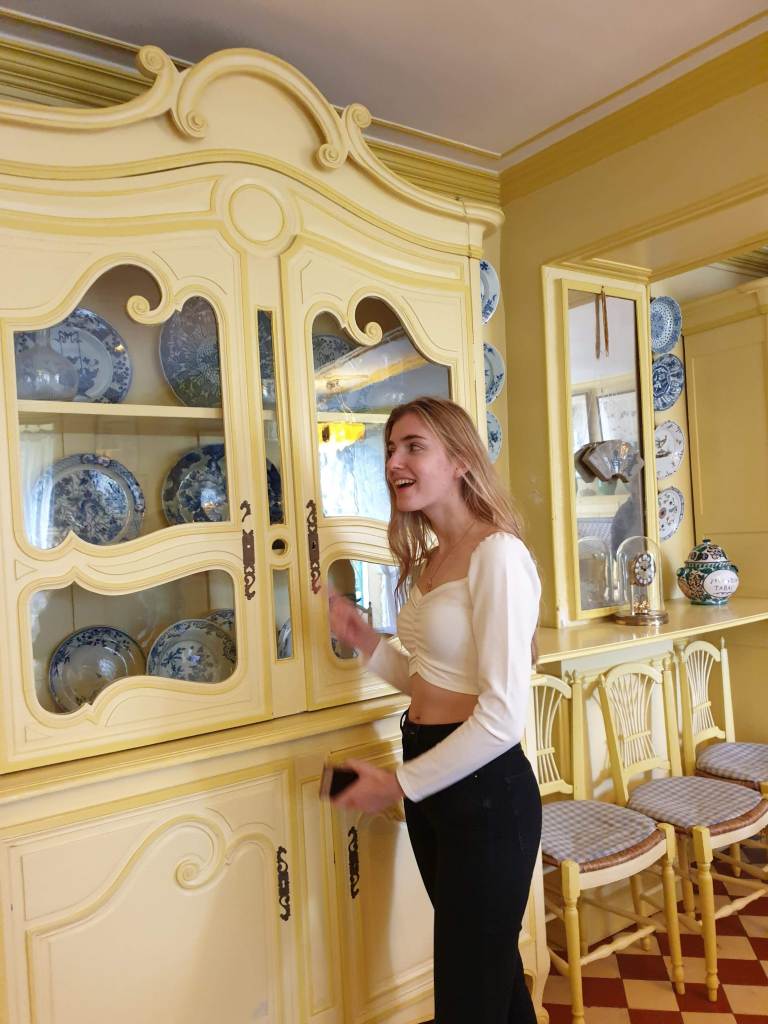
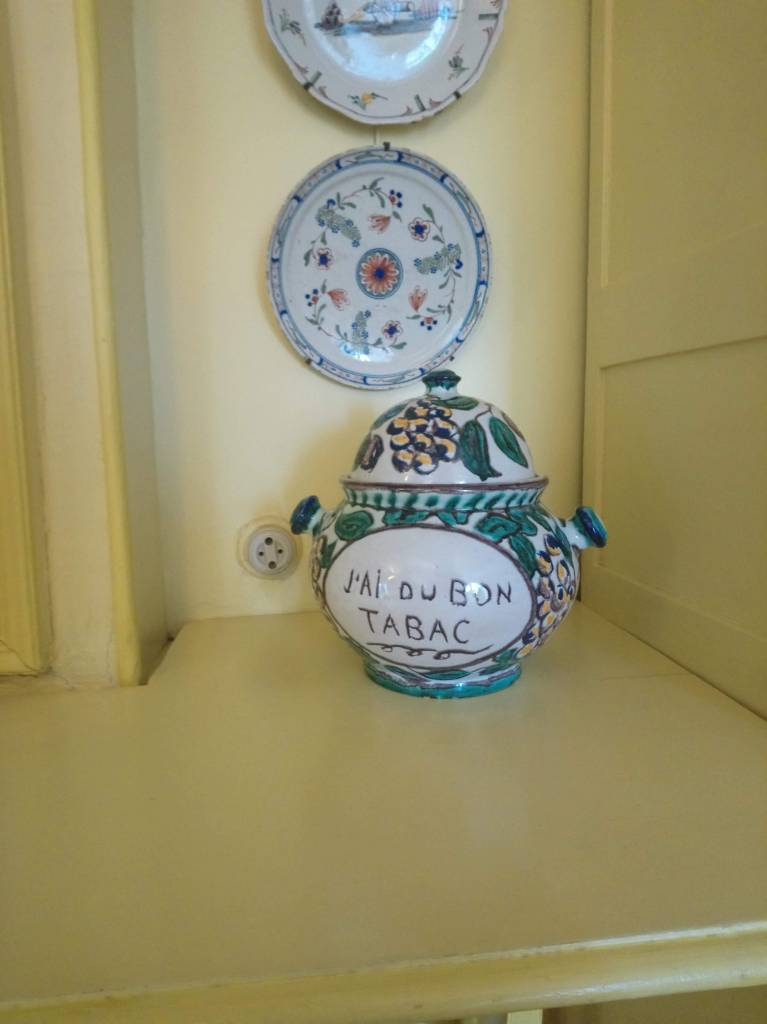
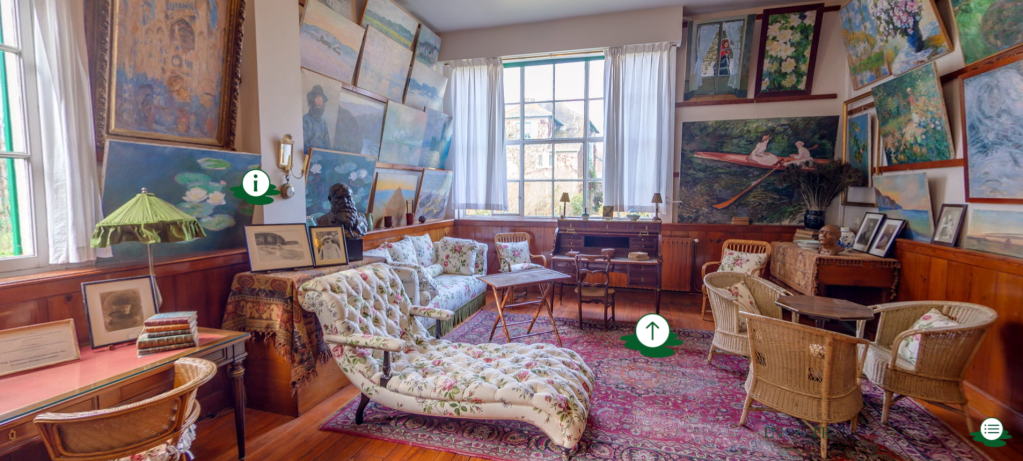
Over the next several years the family worked, developing the gardens, which grew and flourished along with Monet’s growing success. In 1890, Monet purchased the house. Monet built a greenhouse and a second studio (shown below)
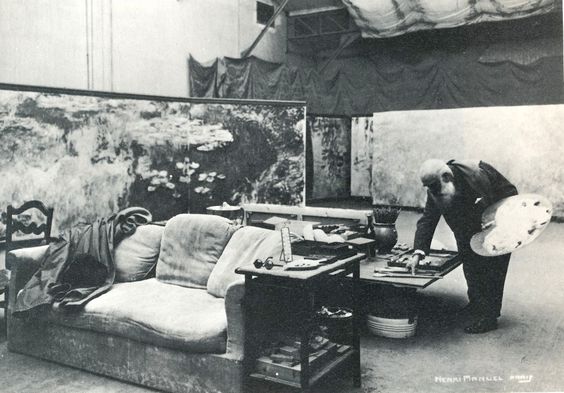
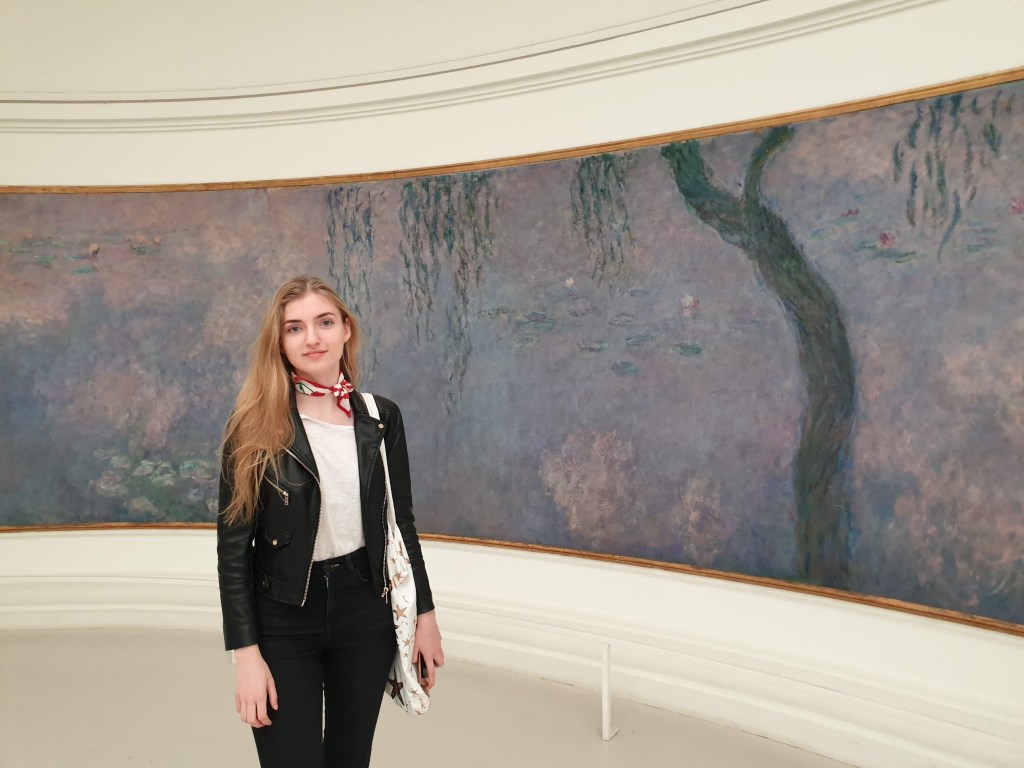
Musée de l’Orangerie, Paris. Check out my post on Monet in Paris!
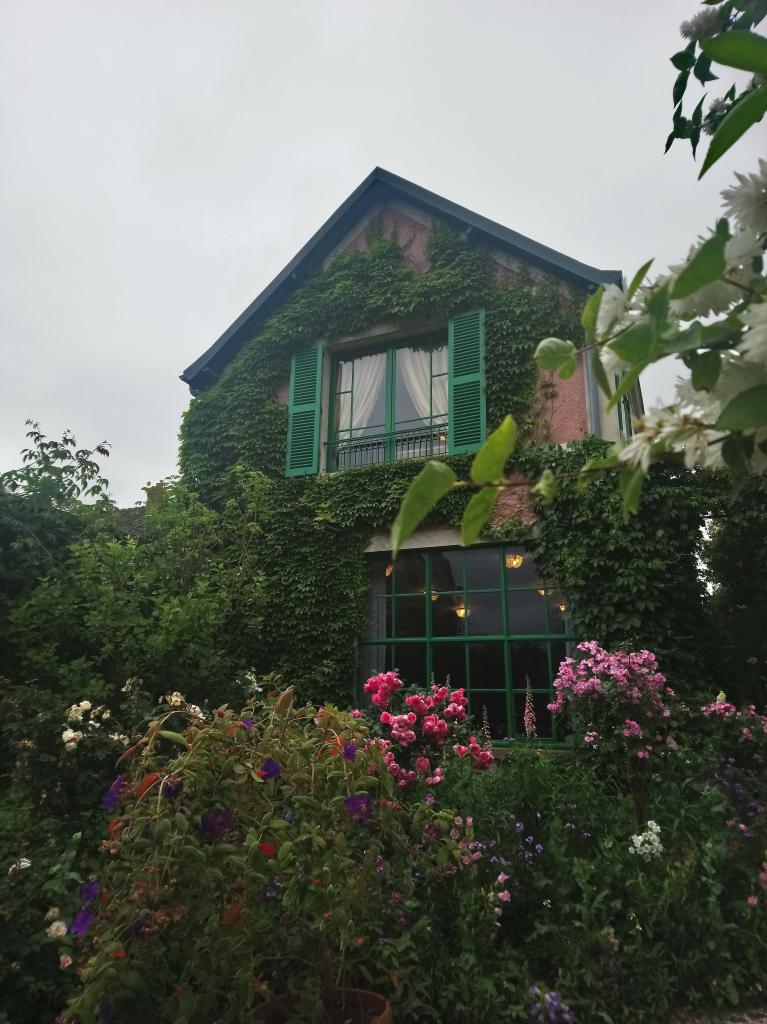
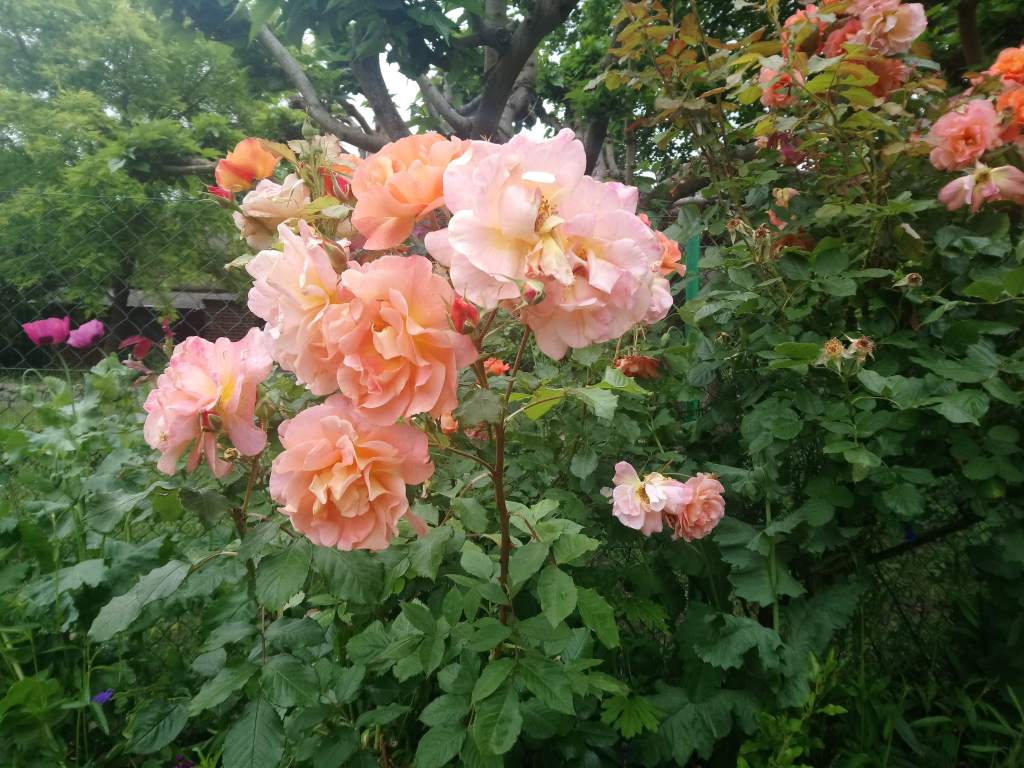
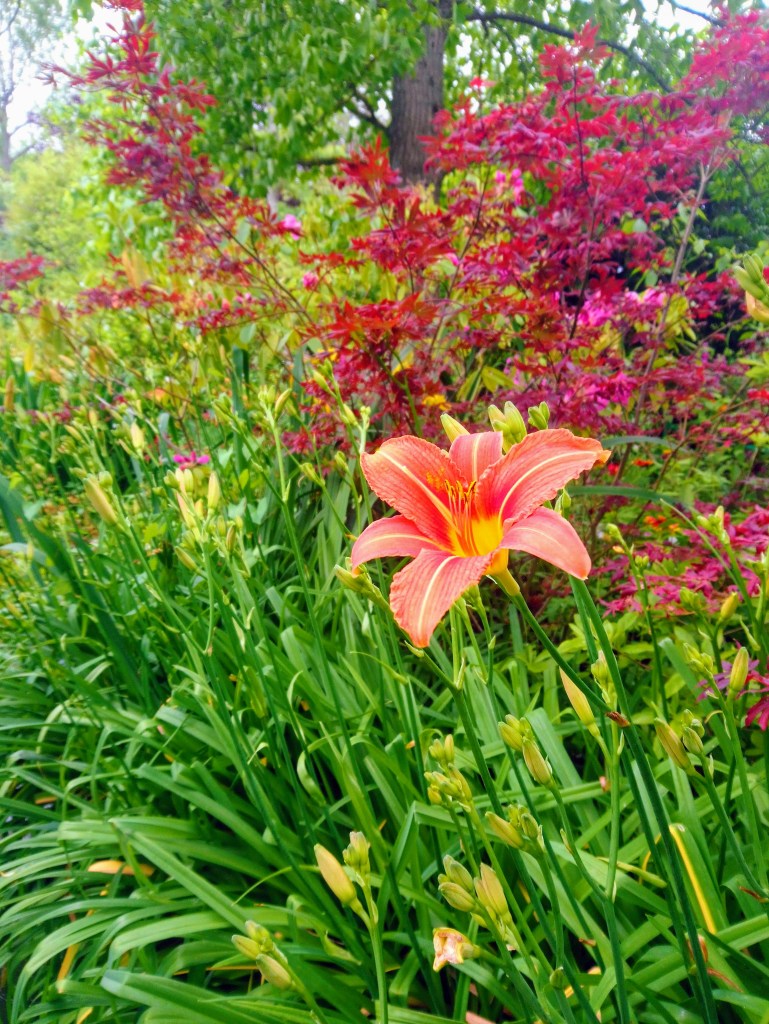
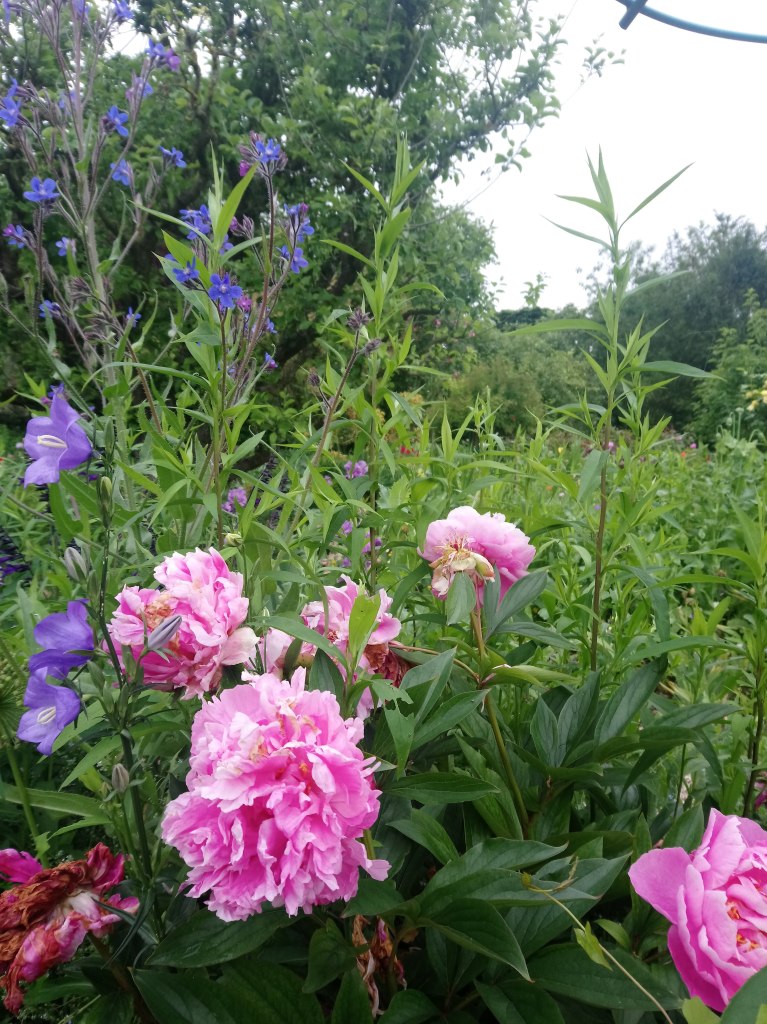
Exploring the home and gardens of this French impressionist artist was really a dream come true, and as you can probably tell from the photos, I was excited.
The kitchen
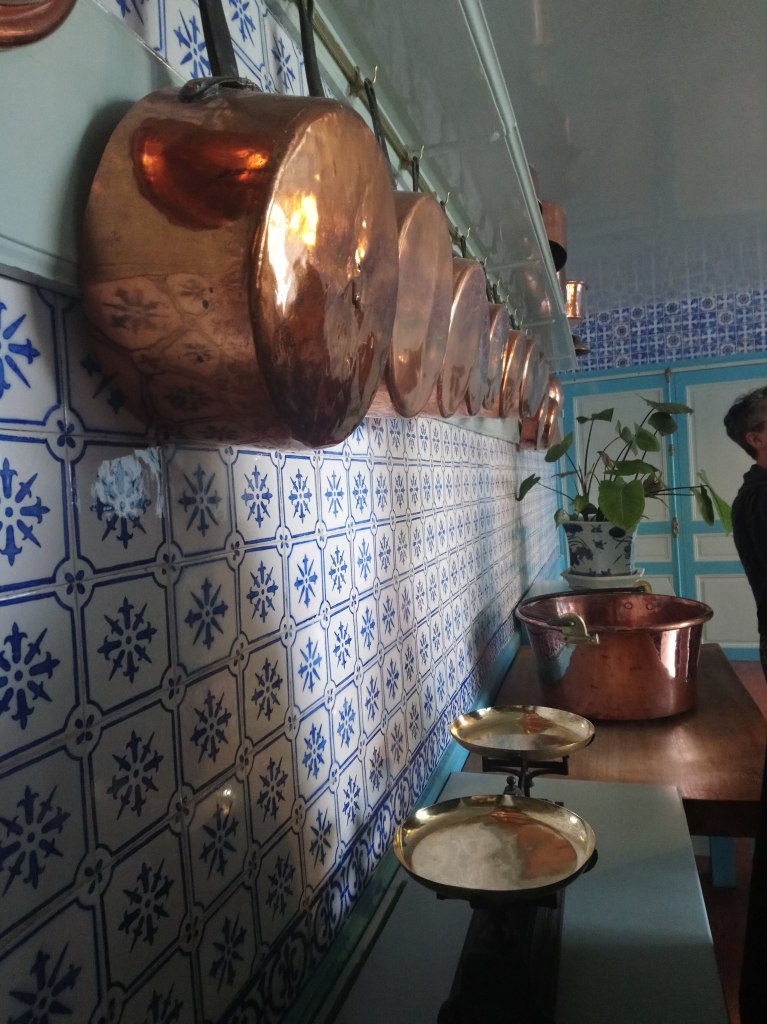
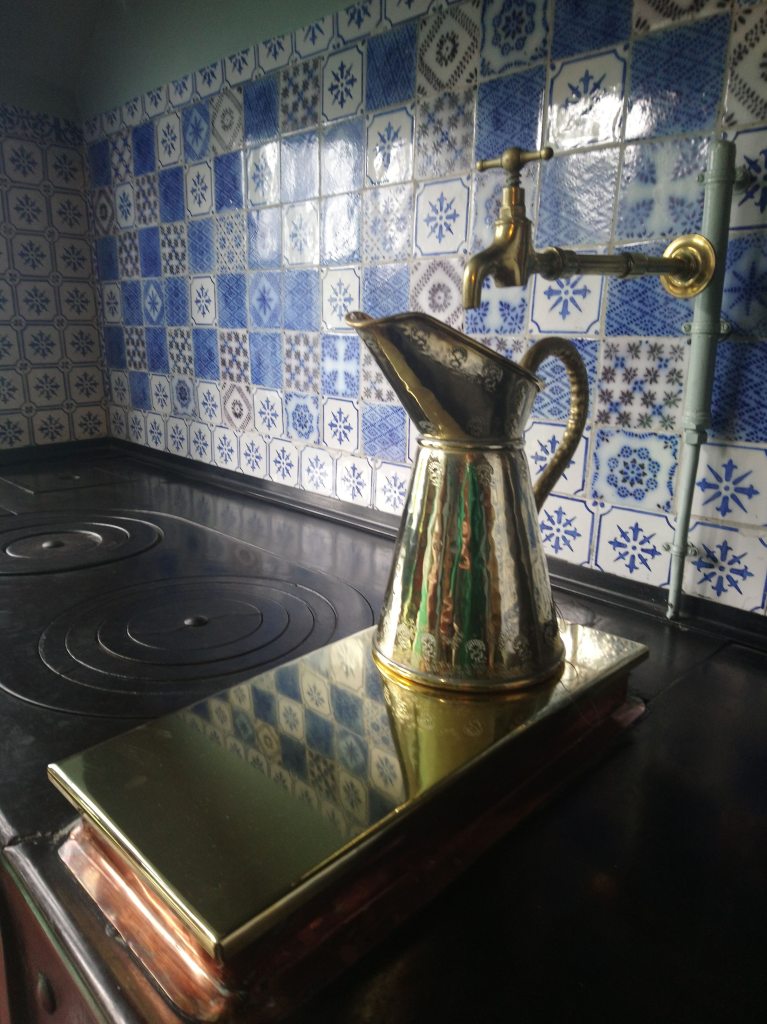
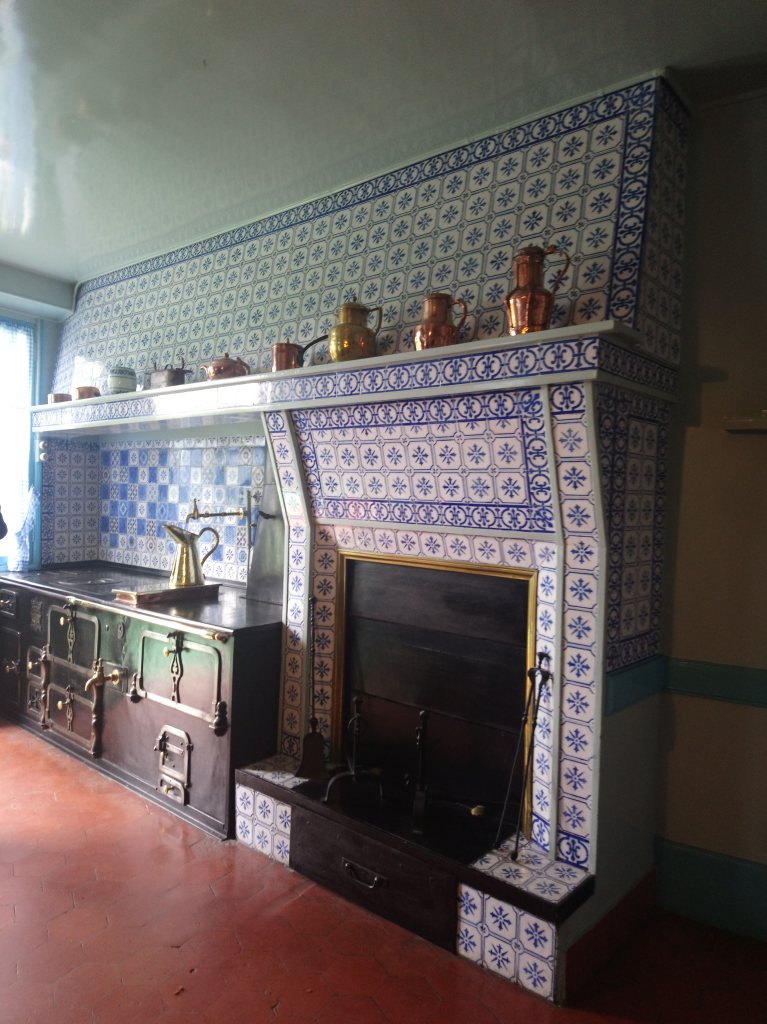
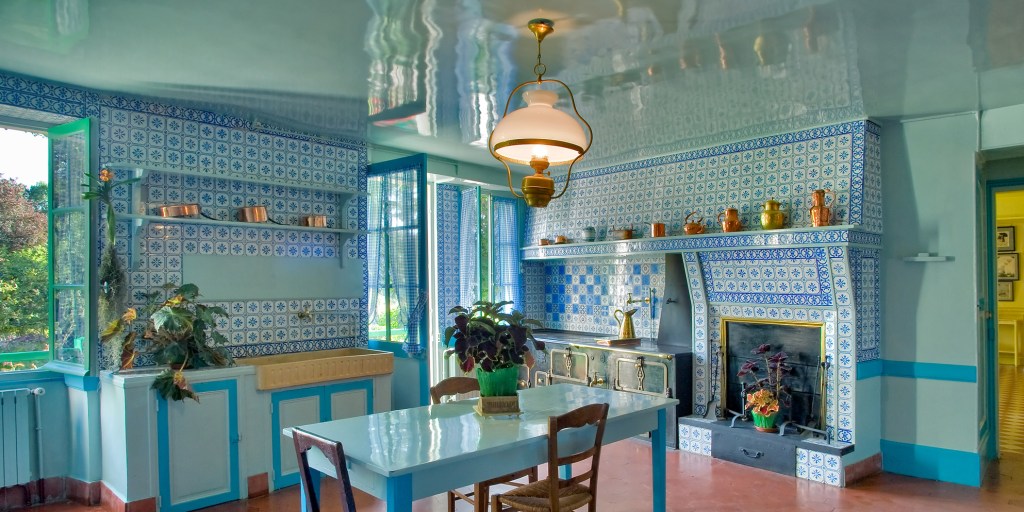
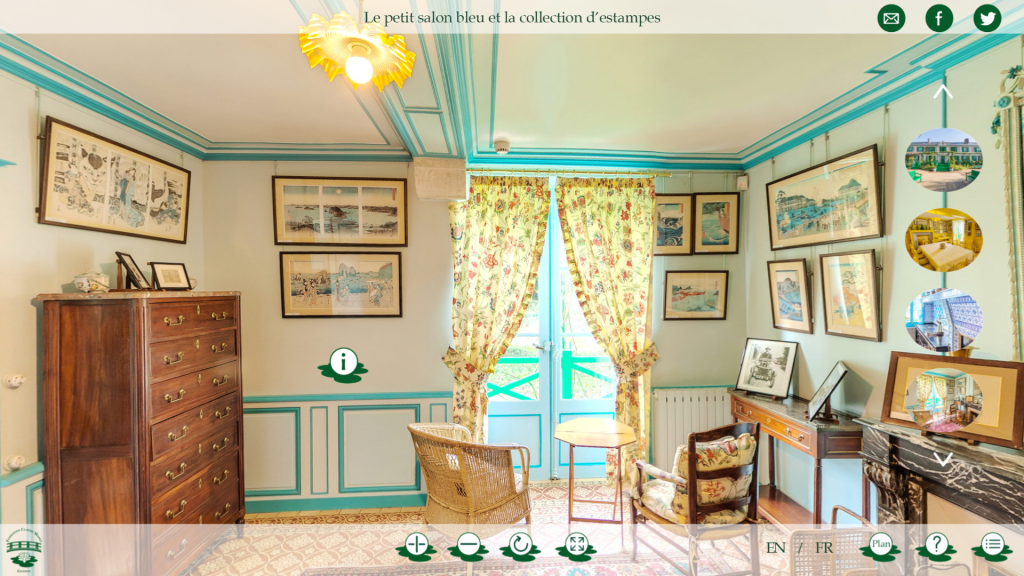
Check out more before your visit, via the Virtual Tour
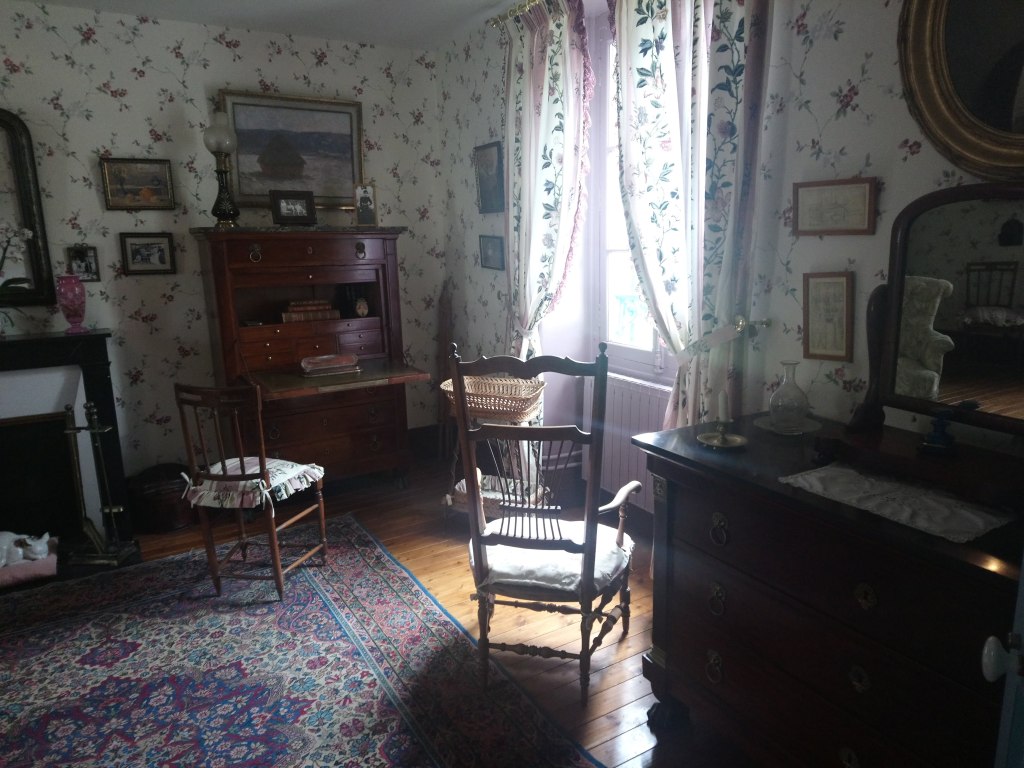
Below is Blanche Hoschedé Monet’s bedroom, step-daughter of the artist (from Monet’s second marriage) and manager of the house and gardens for twenty years, following Monet’s death in 1926. Blanche marries Monet’s eldest son Jean in 1897.
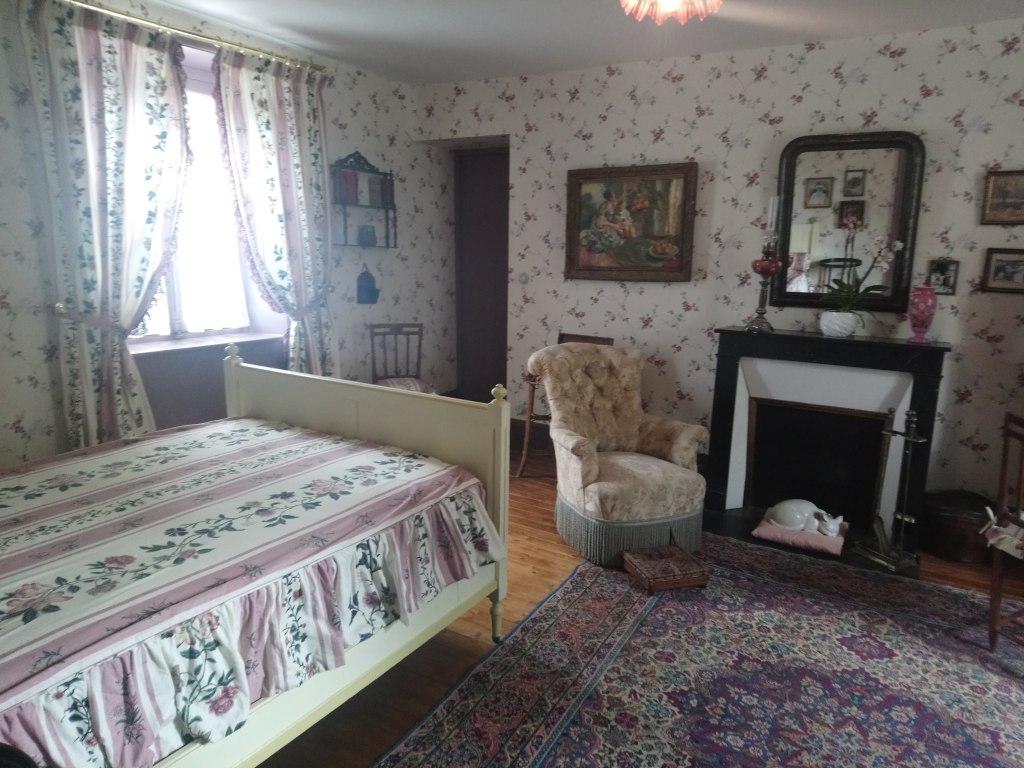
The master bedroom- At the end of the artist’s life
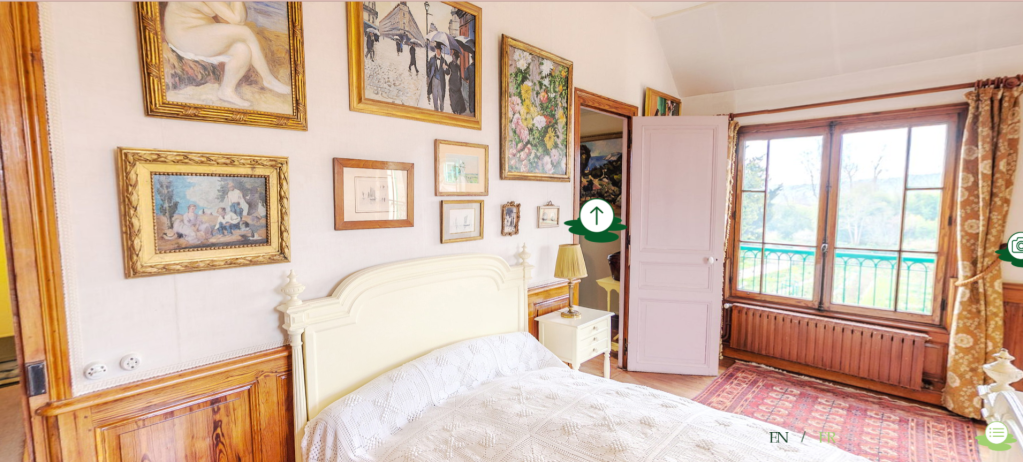
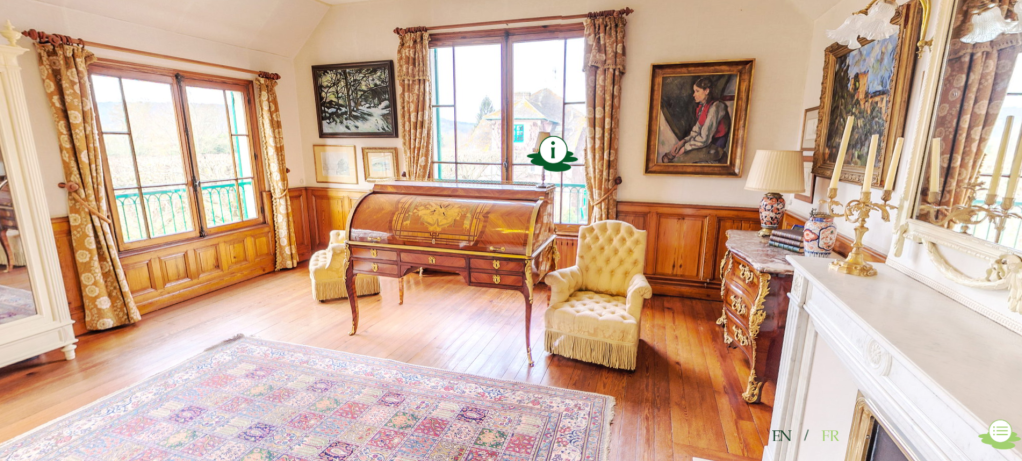
The photos above show the light magnolia and pine comfort of Monet’s bedroom. It was here that Monet passed away in the winter of 1926. An honourable mention must be made to a close friend of Monet’s; Georges Clemenceau, a French statesman and journalist, who ordered a car and rushed to Monet’s side when he heard Monet was about to succumb to the battle of lung cancer. Clemenceau was Prime Minister of France from 1906-1909 and again from 1917-1920, and it was during these later years in office that he became a major contributor to the Allied victory in World War I and a framer of the post-war Treaty of Versailles.
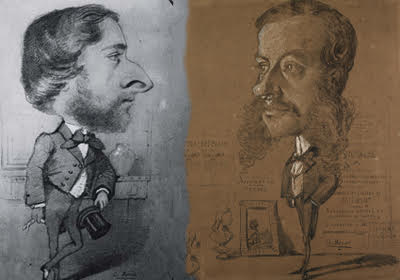
The friendship between the two was sparked when the Clemenceau first saw Monet’s series of Rouen’s Cathedrals. The series, depicting the Cathedral at different times of the day and the changes of light it brings, is composed of 40 masterpieces, exemplified below. Clemenceau published an article on Monet in the newspaper La Justice, and became enamoured by the artist and the idea of the man behind the artworks. Clemenceau was finally introduced by the art critic Gustave Geoffroy in Monet’s house, in Giverny. Being the place where the friendship began, it seems important and fitting that it would be the setting of their farewell.
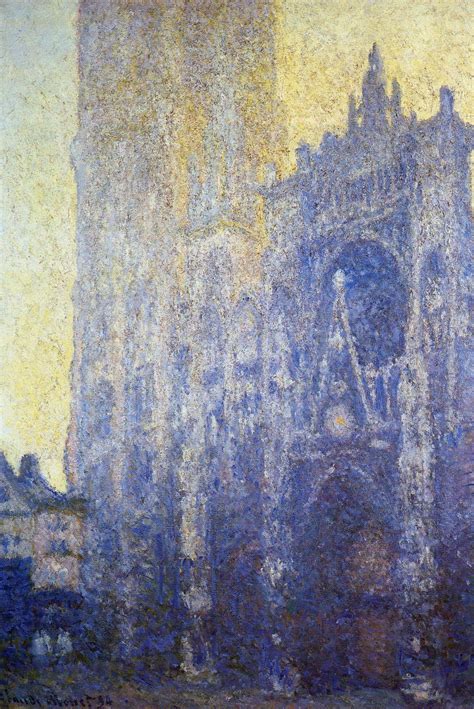
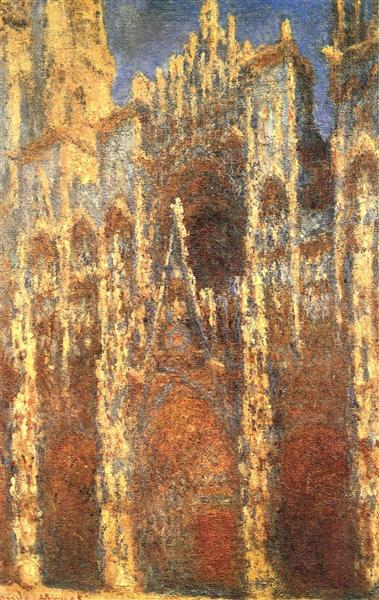
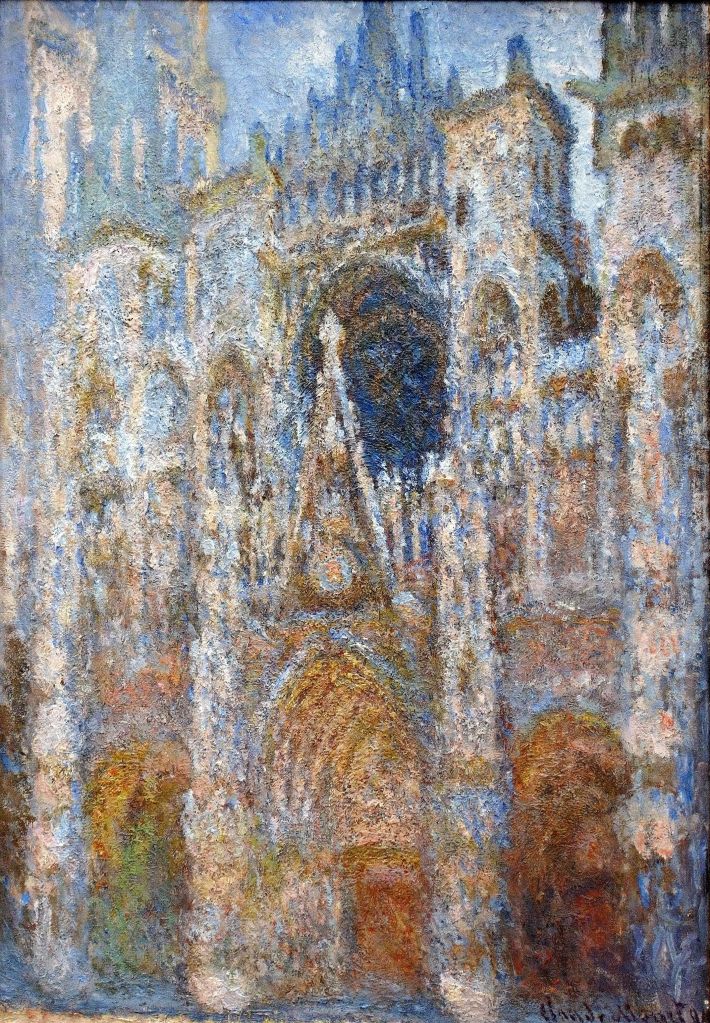
Monet and Clemenceau were both driven and capable men in their own fields, and the two found common ground in matters such as education and politics. Clemenceau was also an art lover, and they shared seeds and bulbs for their gardens, so the friendship between these two developed easily.
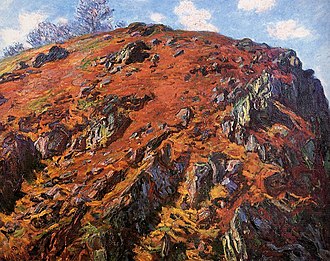
Claude Monet gifted the famous painting ‘Study of rocks, the Creuse: ‘Le Bloc’ to Clemenceau, who nicknamed it ‘le bloc’. The title is Monet’s nod to Clemenceau’s speech of 1891 wherein he says “the French Revolution is a block.” ‘Le Bloc’ (The Rock) was to be the title of a political journal Clemenceau was to establish.
This artwork is now held in the Royal collection, bought by the Queen Mother in 1949.
I’d like to leave you with a few poignant quotes from Monet:
“I must have flowers, always, and always.”
Claude Monet
“Everyday I discover more and more beautiful things. It’s enough to drive one mad. I have such a desire to do everything, my head is bursting with it.”
Claude Monet.
I especially resonate with this quote from Monet, as it is how I think about creating my own paintings- and the joy of creating. A mind full of enthusiasm and fervour, finding inspiration everywhere, as there is so much beauty on this earth, how can one possibly paint it all?
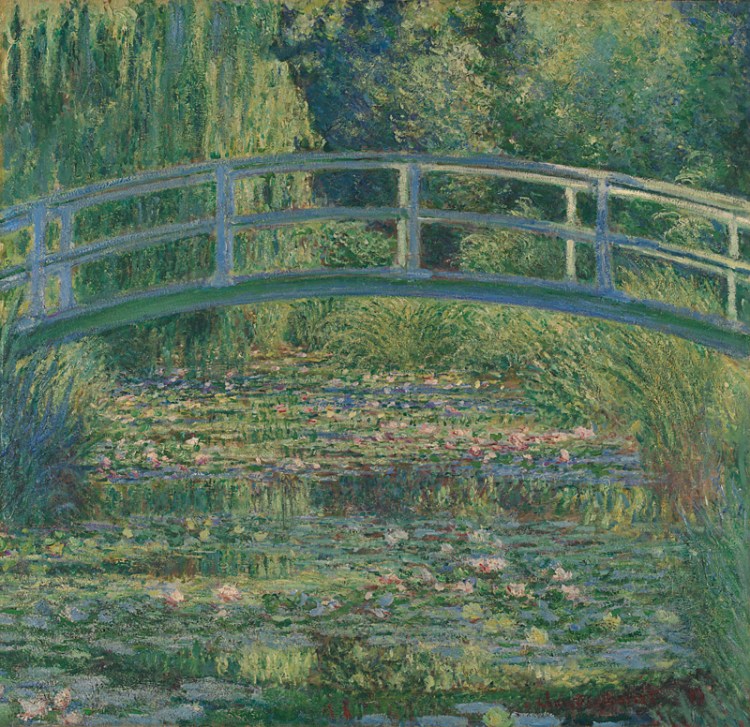
Exactly 122 years ago, Monet painted “The Water-Lily Pond” (1899). His vision is still there today, the natural haven he designed is thriving, and the original painting is currently on display in the National Gallery, London. With hundreds of other works across the world.
What a legacy.
“It’s on the strength of observation and reflection that one finds a way. So we must dig and delve unceasingly.”
Claude Monet
 LAURA ROZAMUNDA