“A poet’s work… to name the unnameable, to point at frauds, to take sides, start arguments, shape the world, and stop it from going to sleep.”
— Salman Rushdie
Poetry appears in different forms, and whether a short haiku, a passionate sonnet, or an idiosyncratic free verse: poetry can act as a form of political activism, or just a simple note to remember the scent that lingers after a storm.
The ability to command and control language poetically, in whichever language it may be, is a form of communication so uniquely powerful, and it is not limited to its traditional forms. It is evident in just about everything today: the effect of a few choice words in an advert; the deliciousness of a song that embodies a feeling we couldn’t quite articulate; perhaps even in the unexpected- when someone’s poetic turn of phrase in the morning returns in our thoughts, to raise a smile in the afternoon. It is transformative.
So how can you engage with this artform more often?
Here are 6 simple ways to bring a little more poetry into your everyday life:
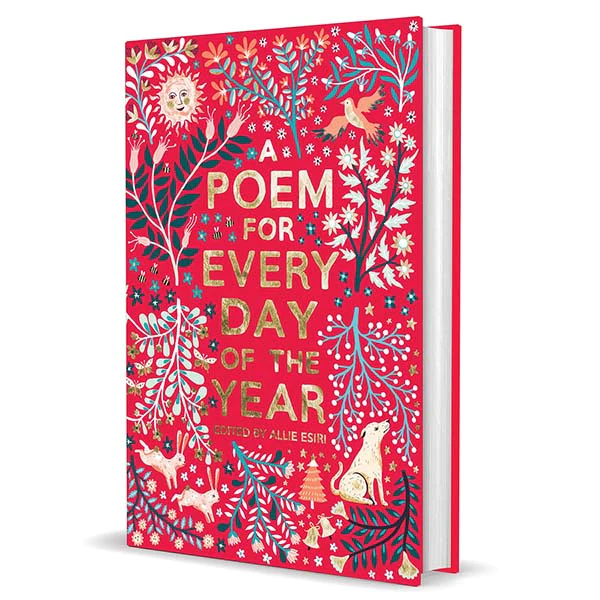
- Starting with the basics, reading poetry. But one type in particular, poetry anthologies. These are brilliant tools because you can dip in and out, take it at your own pace, and you have essentially a buffet, with poetry in many different styles and subjects, often by a plethora of poets. Here are two anthologies by Allie Esiri, who Tatler describes as a “poetry powerhouse”:
‘A Poem for Every Day of the Year’ which can be purchased here: https://amzn.eu/d/jioKy4w
Or perhaps ‘A Poem for Every Night of the Year,’ if you’re more of a books-on-the-nightstand kind of reader: https://amzn.eu/d/gpUm8d8
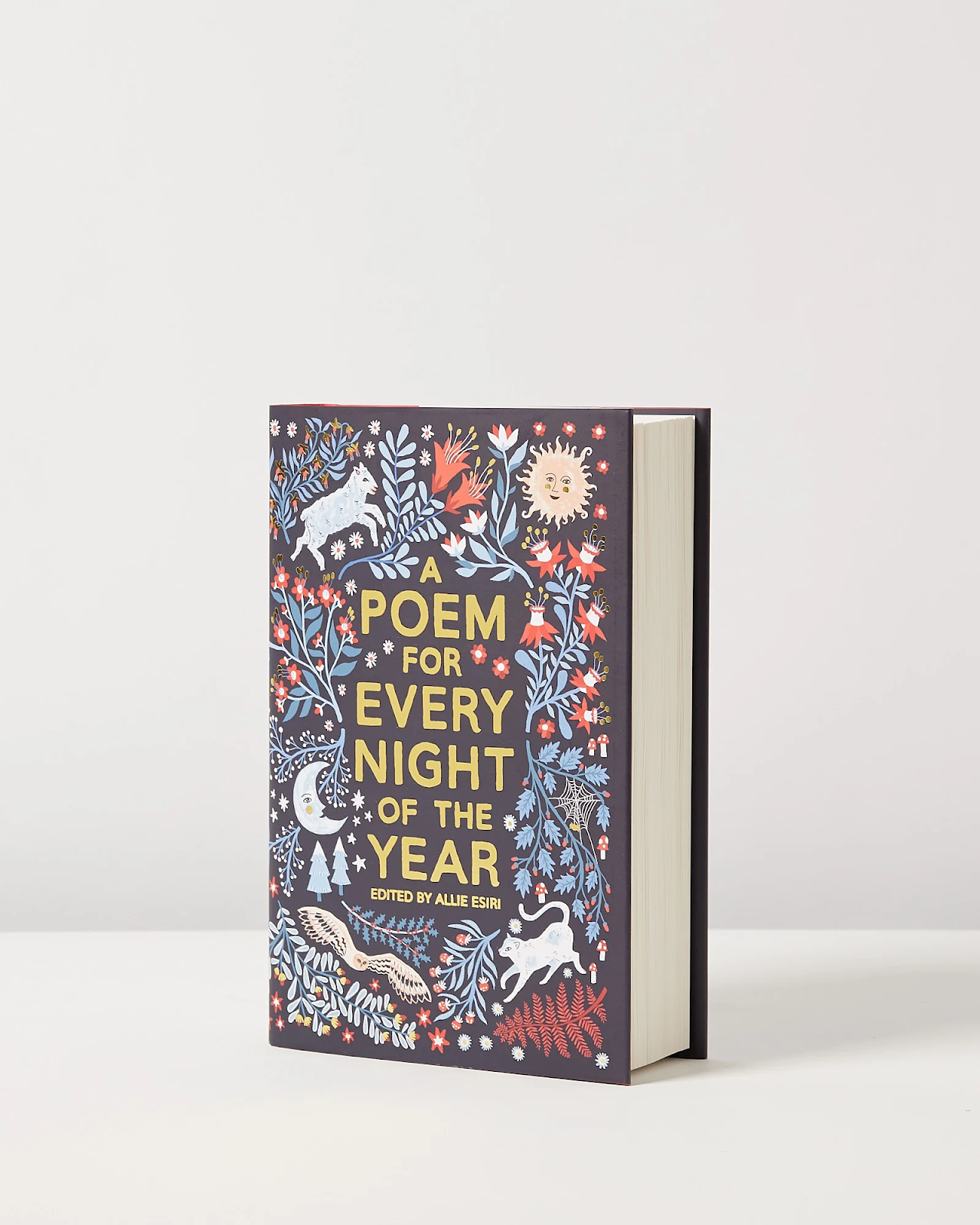
I’m familiar with these as I gifted one to a relative, and in typical 18th century fashion, we made a habit of reading one aloud in the evenings. Literature used to be a very social occasion- new releases from circulating libraries were read aloud by candlelight to the whole family or friend group- perhaps you could bring a little of that back too!
2. Poetry is indeed a different experience when its read aloud, so check poetry podcasts, like this one:
Poem-a-day Podcast, run by the Academy of American Poets. Follow on Spotify below:
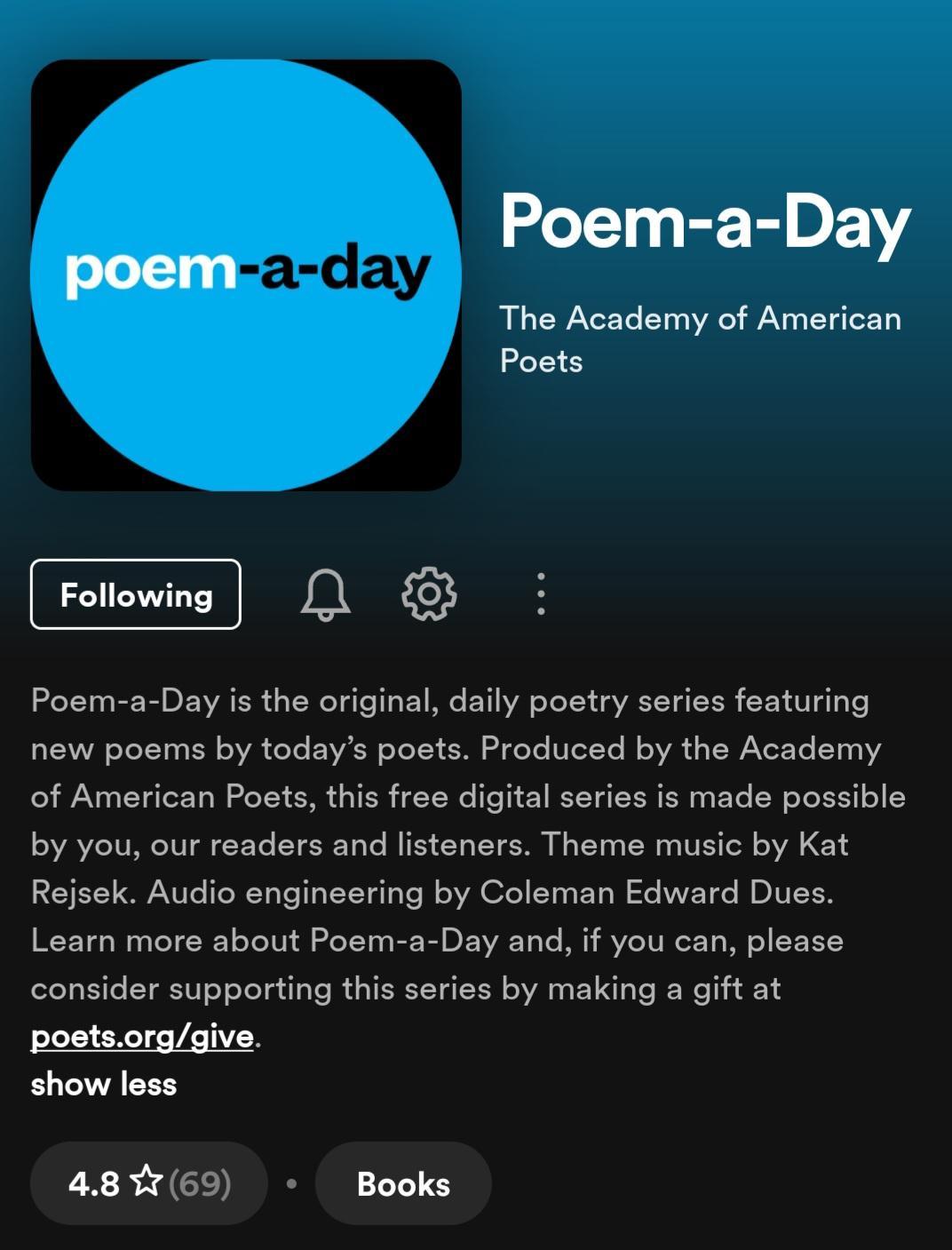
It is often newly written short form poetry, read aloud by the poets themselves, so you can experience original performances while you travel. There’s also an option to receive a poem a day to your email inbox.
- If poetry performances really rhyme with you, here are some London venues that host slam poetry and poetry readings.
Kindred in Hammersmith hosts live events- their popularity shows that it’s one venue for your list!
Morocco Bound, southside of Tower Bridge.
The Poetry Lounge often held at The Boogaloo.
Hammer & Tongue Hackney at The Bookclub.
Prices vary, but these kinds of evenings are often free or low cost, and are so entertaining- you might even be tempted to get up on the mic.
- Now to another likely daily use: instagram poetry. If you find yourself scrolling on Instagram a lot, here is some direction- some you’ll know, some you may not:


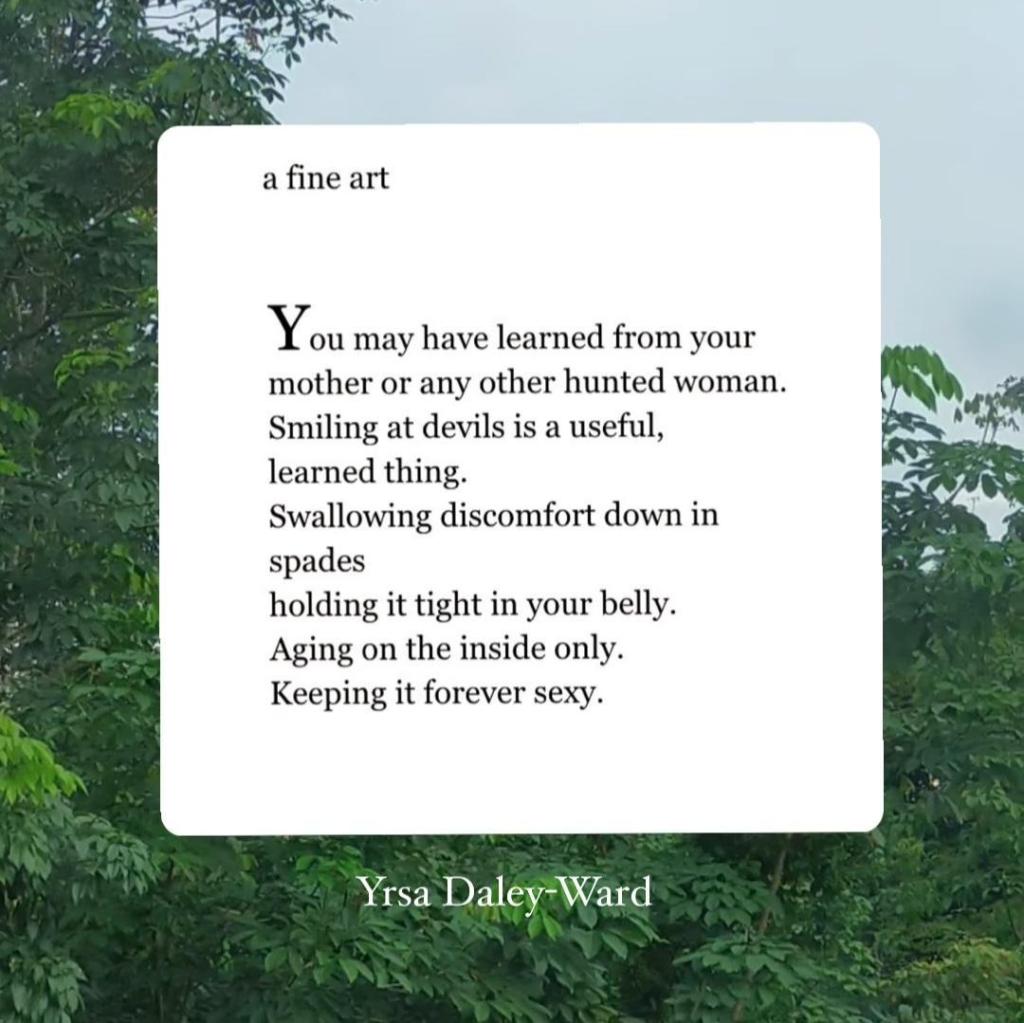
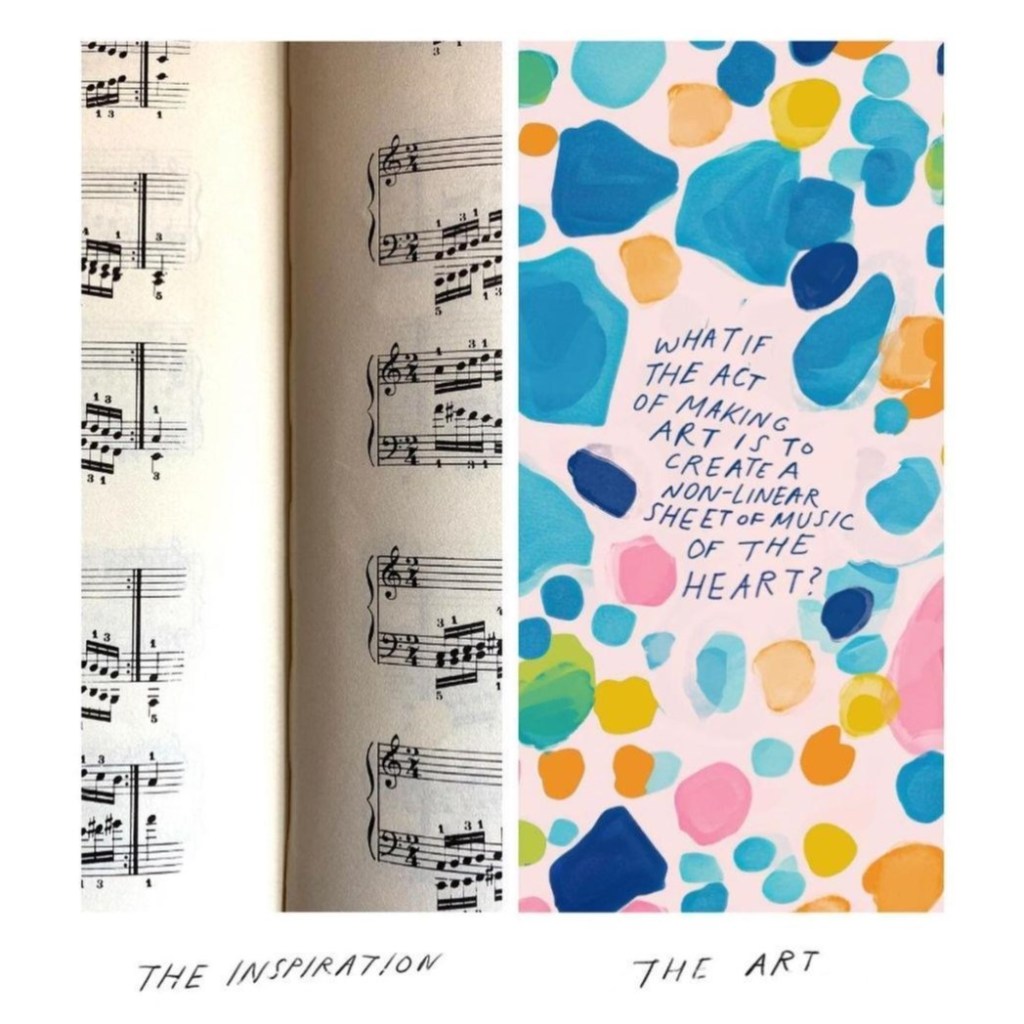
- Try going to classes and workshops!
Some examples in London:
Southbank Centre, like the upcoming Out-Spoken Masterclass in April. Southbank’s masterclasses are chance to develop your poetry, ‘borrowing tips and tricks from an established poet.’
There are frequent Creative Writing Workshops at Lea Bridge Library, and other libraries! Check your local library for similar events, they are brilliant resources for expanding skills.
The Guitar social, they often host Poetry open mic, writing workshops, ‘words-based chill.’
- Write your own.
To inspire you to write and to grow your confidence in sharing it with others, perhaps try entering your work into competitions. The National Poetry Library provides a platform with the latest competitions, check it out here https://www.nationalpoetrylibrary.org.uk/write-publish/competitions. Some are free to enter, others come with a fee. Overall the experience of entering work is freeing because the poem becomes a joint experience between the author and the reader, your work is open to interpretation and it stands alone as its own work.
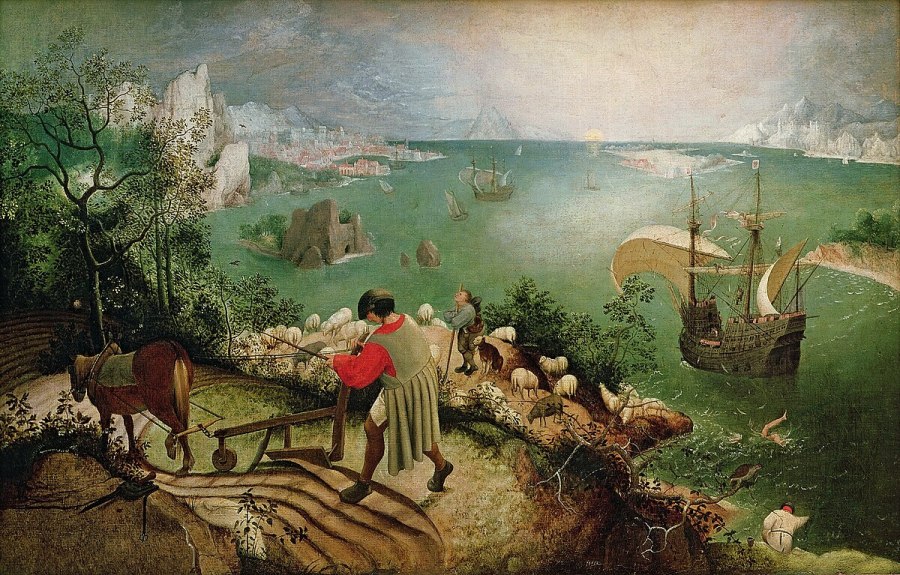
Taking writing tips from well known poets, consider simply starting by responding to what you see, whether that’s a poem about London’s streets, like A Description of A City Shower, by Jonathan Swift; or a poem inspired by an artwork such as Musée des Beaux Arts by W H Auden; his final verse responds to Bruegel’s painting Landscape with the Fall of Icarus (c.1560). The language used to describe a painted scene lends itself well to poetry. Perhaps try writing about the next piece of artwork which resonates with you, which makes you feel something.
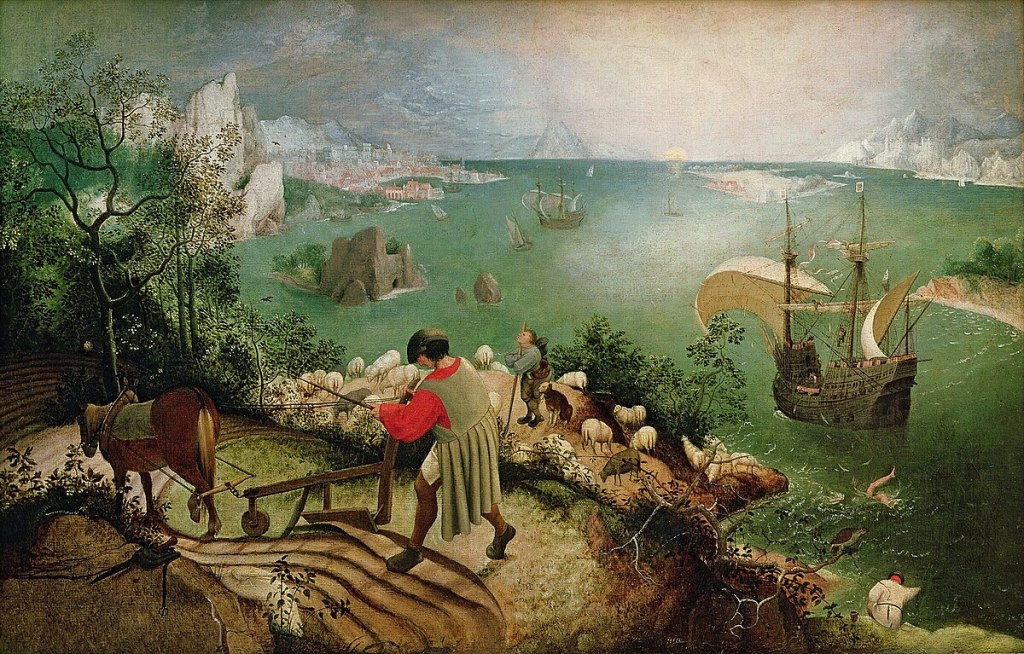

Landscape with the Fall of Icarus, Pieter Bruegel the Elder, c. 1560, Oil on canvas, 73.5 cm × 112 cm (28.9 in × 44 in), Royal Museums of Fine Arts of Belgium, Brussels
For an interactive breakdown of Auden’s poem, check out the New York Times analysis
Edgar Allan Poe described poetry as the “rhythmical creation of beauty in words,” and whether you read, write or listen to poetry, rhythmical creation belongs in the everyday. It is where we find the joy, humour and power in languages, our first and foremost communication tool.
 LAURA ROZAMUNDA